IACUC Protocols for Rodent Research: What to Include and How to Prepare
IACUC Protocols for Rodent Research: What to Include and How to Prepare
TL;DR
An IACUC protocol describes proposed animal work so the institution can evaluate it before covered activities begin. A useful rodent protocol connects the research question, animal numbers, procedures, and care in one consistent account. Use your institution’s current form and work with its IACUC and veterinary team; local requirements determine the details.
Write the study someone can actually follow
A protocol can answer every field on a form and still leave the reader unsure what happens to an animal. The missing piece is often the connection between the answers.
The study rationale describes one plan. The procedure section contains language from an older experiment. The recovery section assumes a person or instrument that is not named elsewhere.
Start by describing the work from beginning to end. Then use the form to place that information where reviewers need it. This makes the scientific purpose and the animal’s experience easier to understand together.
The aim is a protocol that supports clear review and accurately reflects the work your trained team intends to perform.
What does the IACUC need to understand?
IACUC stands for Institutional Animal Care and Use Committee. Its review considers proposed animal activities against the requirements that apply to the institution.
PHS Policy establishes review criteria for covered work, including minimizing pain and distress, appropriate veterinary care, qualified personnel, and suitable euthanasia methods. It also provides for full committee review and designated member review. PHS Policy
For the investigator, the practical task is to make the proposal understandable. Reviewers should be able to follow why the animals are needed, what will happen to them, and how the team will recognize and respond to problems.
Use the institution’s current guidance rather than treating an article or another laboratory’s approval as a template for compliance. Forms, review schedules, and approved practices differ.
If the study involves other institutional approvals, coordinate those requirements early. Identify where biosafety, occupational health, or other reviews affect the proposed work, and keep the descriptions consistent.
Begin with the question the animals will help answer
The research objective gives the rest of the protocol a reason to exist. State it clearly before describing the methods.
Explain why the proposed model is appropriate and what the planned observations will establish. A reader should not have to infer the purpose from a sequence of procedures.
Describe specialized science in terms a person outside your field can follow. Define a necessary unfamiliar term briefly, then return to the question. Extra technical vocabulary is useful only when it changes the reader’s understanding.
The justification for animal use should address the institution’s questions about alternatives and model selection. Explain the role of relevant non-animal approaches and why the proposed animal work remains necessary for this objective.
This is also where the 3Rs provide a useful organizing principle: consider replacement of animal use, reduction of unnecessary animal use, and refinement of the animal’s experience. Describe the choices made for this study rather than adding a general statement of support.
A specific rationale makes later decisions easier to assess. The species, group sizes, procedures, and endpoints should all connect back to it.
Make the animal numbers reconcile
Every animal total should tell the same story. A clear calculation is easier to review than a total whose components appear in several disconnected sections.
Work from the study design and explain how it produces the number requested. Include the categories your institution requires, such as breeding or anticipated attrition, where they apply.
Distinguish animals contributing to the main analysis from other animals needed to carry out the study. Explain the basis for those estimates instead of allowing them to appear as unexplained additions.
Use the statistical or scientific justification appropriate to the design. If a power calculation is used, its assumptions should match the proposed comparison. Seek statistical input when the design requires it.
Before submission, reconcile the summary with the procedure descriptions and any appendices. Repeated procedures on the same animals should not accidentally become additional animals in one section, or disappear from the account of what each animal experiences.
The objective is a transparent request: enough animals for the proposed work, with a clear explanation of how that need was determined.
Describe procedures as a connected sequence
A reviewer needs to understand what happens to the animal, not simply which techniques the laboratory uses. Write the sequence clearly enough that its cumulative effect is visible.
For each part of the work, explain the procedure and the relevant frequency or duration. Connect it to the care and observations that accompany it. Use the institution’s required level of detail.
Avoid pasting a complete methods section when only part of it applies. Conversely, a reference to a published method may leave out the details reviewers need about the animal’s experience. Explain the proposed work directly and use references to support it.
Pay particular attention to repeated procedures. Describe how they fit together over the study rather than presenting each one as an isolated event.
When equipment affects how a procedure is delivered or monitored, identify it accurately. A familiar product name is useful only if the configuration and proposed use are clear.
After drafting, compare the sequence with the actual procedure station. If the plan relies on equipment, space, or staffing that is unavailable, resolve that mismatch while the proposal is still being developed.
Include identification in the animal’s experience
Identification belongs in the protocol when the selected method is part of the proposed animal work. It also needs to connect reliably to the study record.
Describe the method your team will use and follow local requirements for the relevant procedural details. If identification is combined with another activity, explain that relationship.
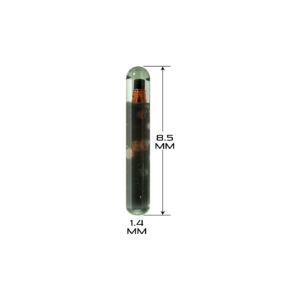
For RFID implantation, review device suitability and the proposed approach with the veterinary team. The institution determines the required description of implantation, care, and personnel qualifications.
Electronic identification can support record matching, but it does not remove the need to evaluate implantation. A temperature-sensing RFID chip likewise adds a measurement option; it does not automatically replace the study’s existing monitoring method.
Kent’s UID range includes implantable rodent identification microchips and temperature-sensing devices. Use the selected product’s current specifications when preparing an accurate equipment description.
Also explain how the animal identifier stays connected to observations and procedures. A clear response to an unreadable or unexpected identifier helps keep the operational plan complete.
Connect pain management, monitoring, and recovery
Care is easier to evaluate when the planned actions appear beside the procedures that make them necessary. Avoid leaving the reader to assemble the relationship from separate sections.
Use the institution’s required fields for anesthetic and analgesic plans, with veterinary input. Explain any proposed departure through the institution’s review process. Anesthesia and analgesia have different roles and should not be treated as interchangeable terms.
A useful monitoring description identifies what staff will assess, when they will assess it, and what action follows a concerning finding. The required measures and thresholds depend on the proposed work and veterinary guidance.
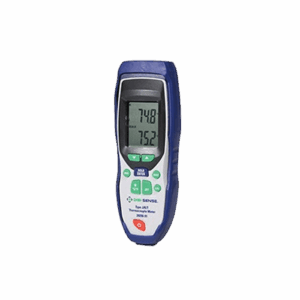
The choice of rodent temperature monitoring methods should be equally clear. Identify how the animal’s temperature will be assessed and how the warming plan responds to that assessment. Avoid relying on a device setting as the whole description.
Recovery continues that plan after the procedure ends. Describe the criteria for reducing observation, returning the animal to its housing, and handing continuing care to another person.
Equipment can support these decisions. It cannot supply the decision rules on its own. If the plan names a warming or anesthesia system, confirm that trained personnel can use the selected configuration as described.
Define intervention before a problem occurs
A humane endpoint gives the team a clear basis for acting before an animal experiences avoidable suffering. It should be developed for the model with veterinary input.
Use observable criteria and the institution’s approved approach to assessment. Explain how often animals are assessed, who is responsible, and what happens when a criterion is met.
Differentiate the planned scientific endpoint from the welfare criteria that may require earlier action. The protocol should make that relationship understandable.
Avoid choosing a threshold merely because it appeared in another protocol. The model and expected course of the study should determine which criteria are relevant, subject to institutional review.
After-hours coverage deserves explicit attention. The person who identifies a concern needs to know whom to contact and who can authorize or perform the required action.
Address euthanasia through the institution’s required method and confirmation procedures. If a departure is proposed, provide the scientific justification and obtain the review required by the applicable policy. PHS review criteria
Show that personnel are prepared for their roles
Training needs to match the task a person will perform. General qualification alone does not explain readiness for every procedure.
Identify personnel as required by the institution and describe how procedure-specific competency will be established. Include supervision or further training when applicable.
Equipment training should address the selected setup and the response to unexpected behavior. Manufacturer training can support instrument use, while institutional requirements continue to govern animal work.
Review the proposal for contradictions
The last review should follow one animal through the study. It is a useful way to test whether individually reasonable sections describe the same work.
Begin with enrollment and identification. Follow the procedures and their timing, then the observations, care, and endpoint. Check each step against the summary and animal totals.
Next, follow the staff member’s decisions. Can that person determine whether to proceed, pause, seek help, or hand over care using the information provided?
Look for copied language that belongs to another experiment. A different identifier, obsolete instrument, or mismatched recovery instruction can undermine an otherwise clear proposal.
Keep the final check focused:
Does the rationale match the proposed work?
Do animal totals and procedure schedules agree?
Are care decisions and responsibilities clear?
Does the document match the equipment and personnel available?
This short review complements the institution’s checklist. It does not replace required fields or pre-review.
What happens when the approved study changes?
Approval applies to the work that was reviewed. Check a proposed change through the institution’s process before implementing it.
OLAW guidance distinguishes changes requiring IACUC review from certain changes that may be handled through established IACUC-approved policies and veterinary consultation. The permitted route depends on the change and the institution’s approved process. OLAW significant-change guidance
Do not assume that an adjustment is administrative because it seems small. Ask the IACUC which route applies, then update working instructions and training to reflect the approved outcome.
This keeps the document useful throughout the study rather than treating approval as the end of protocol work.
Common questions about IACUC protocols
When should the team begin preparing?
Begin early enough to accommodate local review and requested revisions. Ask the IACUC about its schedule; there is no single review time that applies to every institution.
Can we reuse an approved protocol?
Previous language can be a starting reference, but it must accurately describe the new proposal. Another approval does not authorize the new work.
Does every change require full committee review?
No single review route applies to every change. Follow the institution’s policy and ask the IACUC how the proposed change should be handled.
Can this guide replace the institutional form?
No. Use the current local form and instructions. This article helps organize the account of the study.
Make the approved plan workable
A clear protocol gives reviewers a coherent proposal and gives the team an accurate basis for its work. The best preparation connects the scientific question to what each animal will experience and how trained staff will respond.
If equipment selection is an unresolved part of that plan, Kent Scientific can help clarify the capabilities of the identification, anesthesia, or warming system under consideration. Bring those details to the veterinary and IACUC review so the proposal describes the setup your team intends to use.
RFID Microchips for Mice and Rats: A Guide to Rodent Identification
TL;DR
RFID microchips give research mice and rats an electronic identifier that a compatible reader can retrieve. They are worth considering when the same animal moves through repeated procedures, measurements, or staff handoffs. Their usefulness depends on how reliably the scan...
Laboratory Animal Management: Building Better Rodent Research Workflows
TL;DR
Laboratory animal management connects daily care with the people, procedures, and records that support a study. For mice and rats, the practical goal is continuity: the approved plan should remain clear as an animal moves from housing through a procedure and recovery. Reliable...
CODA vs. Other Rodent Blood Pressure Systems: How to Compare Tail-Cuff Options
TL;DR
The closest alternatives to the CODA® High Throughput System are the Hatteras MC4000, Visitech BP-2000, and IITC MRBP because each supports multi-animal, non-invasive tail-cuff blood pressure measurement in mice and rats. Panlab can accommodate multiple restrained animals, but its measurements...
Rat as a Model Organism: Advantages, Limitations, and When to Use Rats in Research
TL;DR Why are rats used as model organisms?
Rats are used as model organisms because their physiology, behavior, body size, and well-characterized genetics make them useful for studying complex biological systems and human disease. Compared with mice, their...
Tail-Cuff vs. Telemetry: How to Choose Based on Study Design
TL;DR
Choose tail-cuff when your study needs scheduled blood pressure measurements across multiple mice or rats without surgical implantation. Choose telemetry when continuous, beat-to-beat, circadian, or freely moving measurements are essential to the hypothesis. Neither method is universally better. The right choice...
How to Reduce Waste Anesthetic Gas in Rodent Workflows
TL;DR
To reduce waste anesthetic gas in rodent workflows, start at the source: use an appropriate fresh gas flow for the animal and procedure, connect and maintain an effective scavenging system, check the anesthesia circuit for leaks, limit gas release during induction and...
Guide to Green Anesthesia in Research Labs
Practical ways to reduce waste gas, cost, and environmental impact in rodent workflows
TL;DR
Green anesthesia in research labs is about reducing avoidable waste while still delivering appropriate anesthesia for the animal and procedure. In rodent workflows, that usually starts with flow rate, waste anesthetic gas...
Traditional vs. Integrated Digital: How to choose Anesthetic Vaporizers
Why Size-Appropriate Anesthesia Matters for Animal Safety
TL;DR:
Traditional vaporizers are familiar and widely used, but they are often run at flow rates above what mice and rats need. Integrated digital anesthetic vaporizers are designed to make small animal anesthesia more size-appropriate, with lower...
Research Workflows: What to Consider When Choosing Between Rats and Mice?
TL;DR
Labs choose between rats and mice based on the study question, not convenience alone. Mice often fit genetic or high-throughput work. Rats often fit workflows that need larger body size, easier surgical access, richer behavioral testing, or repeated sampling. The...
Guide to Waste Anesthesia Gas Leakage and Compliance
What your research lab should check before your next anesthesia audit
TL;DR
Waste anesthetic gas problems rarely start with one dramatic failure. They often come from small leaks, worn tubing, loose fittings, saturated scavenging, inconsistent setup, and incomplete documentation. For labs using traditional vaporizers, service...
Building a Preclinical Procedure Station
What labs need for anesthesia, oxygen, monitoring, and surgery
TL;DR
A good preclinical procedure station is built around the procedure, species, endpoint, and user workflow. Start with anesthesia delivery and oxygen strategy, then plan respiratory support, monitoring, surgical tools, warming, recovery, documentation, and training. The goal is a...
Waste Anesthetic Gas’ Impacts on the Environment
How your lab can dramatically improve its carbon footprint
TL;DR
In this article, we dig into waste anesthetic gas’ impact on the environment. If you run mouse anesthesia at 1–1.5 L/min, most of what you deliver isn’t being used by the animal. It’s going to scavenging—or...
Important Note: The content on this blog is general educational material. It is not a protocol, regulatory guidance, veterinary recommendation, clinical directive, or safety instruction for any specific laboratory, study, animal model, institution, species, procedure, or equipment configuration.
Do not apply any information from this blog to your research without first independently confirming that it is appropriate for your specific protocol, species, model, equipment configuration, firmware version, institutional requirements, IACUC or ethical review approvals, safety policies, and applicable regulations. To the extent any content on this blog addresses Kent Scientific or other specific products, it does not replace, modify, or supplement the official User Manual or product labeling for those products.
Kent Scientific assumes no liability for any outcome resulting from reliance on blog content. Every research environment is different, and the suitability of any approach described here for your specific circumstances can only be determined by qualified personnel with knowledge of your particular setup, protocol, and regulatory obligations. Always consult your institutional veterinarian, IACUC, facility leadership, safety officer, and official product documentation before implementing any change to your procedures.
To provide the best experiences, we use technologies like cookies to store and/or access device information. Consenting to these technologies will allow us to process data such as browsing behavior or unique IDs on this site. Not consenting or withdrawing consent, may adversely affect certain features and functions.
Functional
Always active
The technical storage or access is strictly necessary for the legitimate purpose of enabling the use of a specific service explicitly requested by the subscriber or user, or for the sole purpose of carrying out the transmission of a communication over an electronic communications network.
Preferences
The technical storage or access is necessary for the legitimate purpose of storing preferences that are not requested by the subscriber or user.
Statistics
The technical storage or access that is used exclusively for statistical purposes.The technical storage or access that is used exclusively for anonymous statistical purposes. Without a subpoena, voluntary compliance on the part of your Internet Service Provider, or additional records from a third party, information stored or retrieved for this purpose alone cannot usually be used to identify you.
Marketing
The technical storage or access is required to create user profiles to send advertising, or to track the user on a website or across several websites for similar marketing purposes.
To provide the best experiences, we use technologies like cookies to store and/or access device information. Consenting to these technologies will allow us to process data such as browsing behavior or unique IDs on this site. Not consenting or withdrawing consent, may adversely affect certain features and functions.
Functional
Always active
The technical storage or access is strictly necessary for the legitimate purpose of enabling the use of a specific service explicitly requested by the subscriber or user, or for the sole purpose of carrying out the transmission of a communication over an electronic communications network.
Preferences
The technical storage or access is necessary for the legitimate purpose of storing preferences that are not requested by the subscriber or user.
Statistics
The technical storage or access that is used exclusively for statistical purposes.The technical storage or access that is used exclusively for anonymous statistical purposes. Without a subpoena, voluntary compliance on the part of your Internet Service Provider, or additional records from a third party, information stored or retrieved for this purpose alone cannot usually be used to identify you.
Marketing
The technical storage or access is required to create user profiles to send advertising, or to track the user on a website or across several websites for similar marketing purposes.