Research Workflows: What to Consider When Choosing Between Rats and Mice?
TL;DR
Labs choose between rats and mice based on the study question, not convenience alone. Mice often fit genetic or high-throughput work. Rats often fit workflows that need larger body size, easier surgical access, richer behavioral testing, or repeated sampling. The better choice depends on biology, endpoint, handling, equipment, anesthesia, monitoring, housing, cost, and how easily the workflow can be repeated.
Model choice is where your workflow starts
In vivo studies can go sideways long before the procedure begins.
Sometimes the issue is anesthesia. Sometimes it is monitoring. Sometimes it is housing, handling, temperature control, surgical access, or recovery.
But often, the first workflow decision is the animal model itself.
For rodent studies, that usually means a practical question:
Should this work be done in mice, rats, or both?
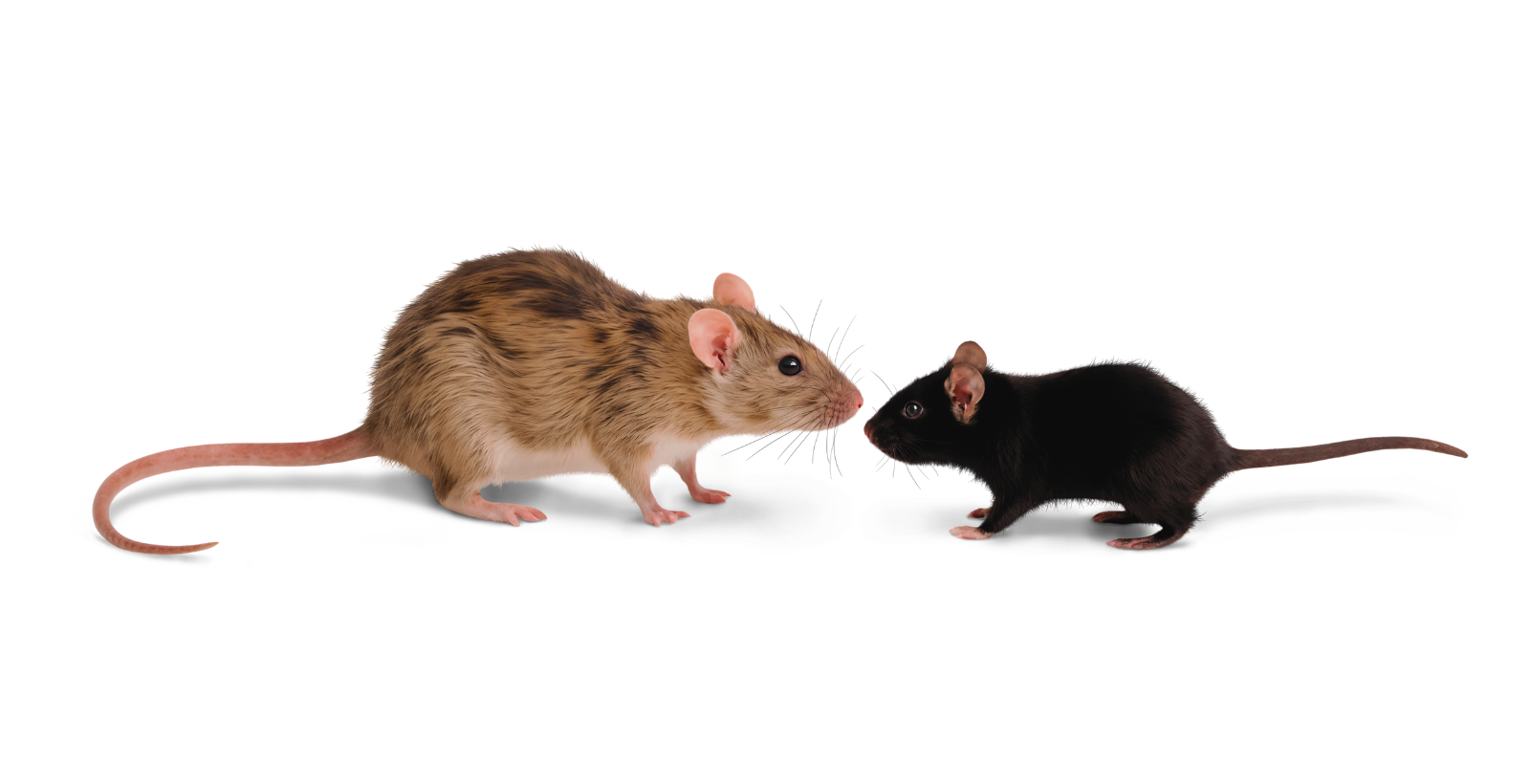
Mice and rats are both central to biomedical research. Together, they account for a large share of laboratory animal use, and they remain important because they are small, well-characterized, breed predictably, and support a wide range of disease, physiology, pharmacology, neuroscience, toxicology, and surgical workflows. Rodent models have also been valuable because they share many biological similarities with humans while allowing researchers to study controlled systems that would not be possible in people. (PMC)
Still, mouse and rat studies are not interchangeable.
A workflow that looks difficult in a mouse may be more reliable in a rat. A model that is genetically straightforward in a mouse may be harder or more expensive in a rat. A surgical endpoint that is possible in both may carry very different training, anesthesia, warming, and monitoring requirements.
That is why “rats versus mice” is rarely a simple species preference. It is a workflow decision.
Start with the biology, then test the workflow
The first question is always biological.
What disease, pathway, organ system, behavior, intervention, or endpoint is the study trying to model?
Mice have a major advantage in genetics. The mouse research ecosystem includes extensive inbred strains, engineered models, disease-specific lines, humanized models, and large public resources that make it easier to connect genotype, phenotype, and mechanism. Jackson Laboratory’s overview of mouse research highlights the mouse as a widely used model because of its genetic tools, short generation time, and relevance to human biology. (Jackson Laboratory)
That makes mice a strong fit for many studies involving genetic drivers, disease mechanisms, immunology, oncology, metabolism, aging, and early discovery work.
Rats often become attractive when the biology needs a larger animal, more tissue, more blood volume, or more complex behavior. Rat models have long been used in physiology, pharmacology, neuroscience, toxicology, cardiovascular research, metabolic work, and behavioral studies. A review comparing rodents in neuroscience notes that rats and mice differ in ways that affect their use as model organisms, including behavior, physiology, and experimental handling. (PMC)
A useful rule for planning:
Choose the species that best supports the biological question and the workflow needed to answer it.
Do not choose the animal first and force the study around it.
Mice are strong when genetics and scale matter
Mice are often the default in modern biomedical research because the model ecosystem is so deep.
For many labs, mice are the right choice when the study depends on:
- genetically engineered models
- inbred or defined strain backgrounds
- immune-oncology models
- disease-specific mouse lines
- higher-throughput screening
- smaller housing footprint
- lower per-animal space requirements
Mice also support study designs where groups need to be larger, conditions need to be compared across multiple arms, or genetic background needs tight control. Although both mice and rats come in inbred and outbred strains, inbred mouse strains are commonly used to reduce genetic variability within groups. Jackson Laboratory notes that inbred strains allow researchers to minimize variables, while genetically diverse mouse populations may be useful when diversity itself matters. (Jackson Laboratory)
That tradeoff is important. A highly controlled mouse model can make a mechanism easier to study. It may also make translation harder if the model is too narrow for the human population or disease state being studied.
This is one place in vivo work can go sideways: the model is clean, but the biology it represents is too simplified.
Rats are strong when size, access, and behavior matter
Rats bring their own advantages.
Their larger body size can make some workflows more practical: surgery, catheterization, repeated blood sampling, implanted devices, physiologic monitoring, and tissue collection. Rats also support many behavioral and neuroscience workflows where richer behavioral repertoires, trainability, and handling characteristics can matter.
In neuroscience specifically, rat models have historically been important because they often perform well in complex behavioral paradigms and can be easier to train for certain tasks. Reviews of rodent neuroscience models emphasize that rats and mice differ in behavior and physiology, and those differences can affect model choice. (PMC)
Rats can also be useful when the procedure itself needs more room.
A larger animal may give the surgeon more working space. A larger vessel may make catheter placement easier. A larger body may provide more sample volume. A larger surface area can affect warming and monitoring choices.
Those advantages do not make rats “better.” They make rats better suited to certain workflows.
Body size changes the whole procedure
Body size is one of the most practical differences between mice and rats.
It affects:
- anesthesia setup
- flow strategy
- warming
- monitoring
- surgical access
- restraint
- sample volume
- implant size
- recovery support
- equipment selection
This is where workflow planning gets real.
A mouse procedure may require smaller accessories, more careful thermal support, lower-flow anesthesia, and a tighter recovery plan. Mice lose heat quickly under anesthesia, so temperature control can become a major source of variability if warming is not planned from induction through recovery.
A rat procedure may allow easier access, larger devices, and more sampling flexibility, but it may also require different restraint, larger surgical platforms, different nose cones, different warming surfaces, and adjusted anesthesia workflows.
The species decision should trigger an equipment review.
The question is not only “can we do this in mice or rats?”
The better question is: Can we run this workflow consistently in the species we choose?
Sampling needs can push the decision toward rats
Blood volume and tissue access often influence species choice.
If the study requires repeated sampling, larger sample volumes, serial pharmacokinetic draws, implanted access ports, or more tissue per animal, rats may be easier to work with.
Mice can support many of these workflows, but smaller size narrows the margin. Sampling plans may require more careful limits, alternative timepoints, microsampling, larger group sizes, or terminal collection designs.
This can affect both welfare and data.
If a mouse study needs many animals because sampling volume is limited, the cost or ethical balance may change. If a rat study reduces animal number because each animal can provide more usable longitudinal data, that may support refinement or reduction.
Model choice should be part of the 3Rs discussion, not separate from it.
The NIH Guide for the Care and Use of Laboratory Animals emphasizes that animal care and use programs should consider species-specific needs, appropriate housing, and refinement of procedures. (Grants.gov)
Behavior is not a minor detail
Behavioral studies are often where rat-versus-mouse decisions become sharp.
Rats may be easier to train in some tasks and can be useful for complex behavioral assays. Mice offer powerful genetic tools and disease-specific models, which can make them attractive for mechanistic behavioral research. The best choice depends on the behavior being measured, the assay design, the strain, the endpoint, and how much handling the workflow requires.
This is also where environment matters.
Lighting, noise, cage changes, handler variation, transport, test order, and circadian timing can all influence behavioral data. A species that looks ideal on paper can become frustrating if the workflow introduces too much noise.
For behavioral studies, ask:
- Does the species naturally express the behavior we want to measure?
- Can the assay be run consistently?
- Will handling or restraint change the endpoint?
- Does group housing affect the readout?
- Do we need continuous home-cage data, or will session-based testing answer the question?
A good behavioral model is not only biologically relevant. It must also survive the routine realities of the lab.
Genetics can make mice the easier scientific choice
If the study depends on a known mutation, reporter line, conditional system, immune background, or disease-specific engineered model, mice often have the advantage.
The mouse model ecosystem is large because decades of work have produced strains, tools, and databases that support targeted biological questions. Reviews of mouse models note that mice are widely used because of genetic and physiological similarities to humans, but also emphasize that model limitations need to be understood before translating findings. (PMC)
That is the honest position.
Mice can be powerful for mechanism.
They can also be misleading if the model does not reflect the human disease, patient diversity, age, sex, immune status, microbiome, or environmental context relevant to the research question.
The right mouse model is not just “available.”
It has to fit the question.
Rats can simplify procedures that are hard to scale in mice
Some workflows are technically possible in mice but hard to make repeatable.
That matters when multiple users will run the protocol.
A difficult mouse surgery may depend heavily on one expert. A rat version may be easier to train, easier to monitor, and easier to repeat across users.
That does not mean the rat model is automatically better. It means technical feasibility should be evaluated honestly before the study starts.
Ask:
- How steep is the training curve?
- How long is the procedure?
- How stable is anesthesia during the workflow?
- How much warming support is needed?
- How easy is recovery monitoring?
- Can newer users perform the procedure without increasing variability?
- Does the team have the right equipment for the species?
If the workflow depends on perfect hands every time, it may not be ready for routine study use.
Housing and welfare shape the data
Mice and rats have different housing, enrichment, handling, and social needs.
The Guide for the Care and Use of Laboratory Animals notes that social animals should be housed in stable pairs or groups of compatible individuals unless there is a scientific, welfare, or veterinary reason for individual housing. (Grants.gov)
That matters for both mice and rats.
Group housing may support welfare, but it can complicate individual monitoring, dosing, food intake, activity interpretation, injury tracking, or dominance effects. Individual housing may make some measurements easier, but it can add stress or change behavior in social species.
The model choice should include the housing plan.
If the study requires individual measurements in group-housed animals, teams may need RFID identification, home-cage monitoring, temperature-sensing microchips, or cage-level activity tools.
If the study requires individual housing, the protocol should justify it and account for the welfare and data effects.
Housing is not background.
It is part of the model.
Equipment fit can make or break repeatability
Rats and mice often need different equipment configurations.
That includes:
- induction chambers
- nose cones
- surgical platforms
- warming pads
- monitoring sensors
- ventilator settings
- stereotaxic adapters
- restraint options
- catheters and implants
- recovery cages
- identification and tracking systems
A lab may have the scientific rationale for a rat or mouse model and still struggle because the procedure room is set up for the other species.
That is a fixable problem, but only if it is caught early.
Before finalizing the species, map the workflow from induction to recovery.
- Where is the animal positioned?
- How is temperature maintained?
- How is anesthesia delivered?
- What gets monitored?
- What gets recorded?
- What equipment changes between mice and rats?
- Where can user-to-user variation enter?
This is the kind of planning that keeps in vivo work from drifting after the first cohort.
Cost is more than animal price
Mouse studies are often perceived as cheaper because mice are smaller, housing density can be higher, and many models are widely available.
That may be true at the animal or cage level.
The full cost depends on more than purchase price.
A mouse model may require more animals, more technical repetitions, more specialized equipment, or more failed attempts during training. A rat model may cost more per animal but reduce technical difficulty or provide more data per animal.
Cost should include:
- animal acquisition or breeding
- colony management
- housing and husbandry
- procedure time
- training time
- equipment and accessories
- anesthesia and monitoring
- sample processing
- failed procedures
- repeat studies
- statistical power
A cheaper animal does not always create a cheaper study.
Translational relevance should be argued, not assumed
Both mice and rats can support translational research.
Both can also fail to translate.
A review of animal models in biomedical research notes the value of animal models while also emphasizing the need to understand their limitations and choose models carefully for the question being asked. (PMC)
This is the part that deserves more honesty in study planning.
Translation depends on more than species.
It depends on the model, endpoint, intervention, age, sex, strain, disease induction method, immune status, microbiome, environment, dosing route, timing, and measurement strategy.
If a lab chooses mice because the genetic model is strong, the translational argument should explain why that model captures the relevant biology.
If a lab chooses rats because physiology, sampling, or behavior is closer to the intended human workflow, the translational argument should explain that too.
The species choice should be defensible before the first animal is ordered.
A practical decision framework
A good rat-versus-mouse decision usually comes down to seven questions.
1. What biology must the model represent?
Start with the disease mechanism, pathway, organ system, or behavior. Choose the species that best supports that biology.
2. What endpoint matters most?
A molecular endpoint, behavioral endpoint, surgical endpoint, imaging endpoint, or pharmacokinetic endpoint may push the study toward different species.
3. How much tissue or sample volume is required?
Repeated sampling, larger tissue collection, and implanted access may favor rats. Genetic throughput and colony-scale designs may favor mice.
4. How technically difficult is the procedure?
If the workflow is difficult to repeat in mice, rats may reduce technical variability. If the mouse model is essential, the lab may need more training, better accessories, or a smaller pilot phase.
5. What equipment does the lab already have?
Check anesthesia, warming, monitoring, surgical platforms, stereotaxic adapters, restraint, ventilation, and recovery equipment before committing.
6. How will housing affect the endpoint?
Group housing, single housing, enrichment, cage changes, and individual monitoring can all influence results.
7. Can the workflow survive multiple users?
If only one person can run the procedure well, the study may be fragile. Build the workflow so it can be trained, repeated, and documented.
Where Kent Scientific fits in your workflow
Kent Scientific supports small animal research teams across anesthesia, warming, monitoring, ventilation, blood pressure, identification, and surgical workflows.
That matters because rat-versus-mouse decisions often create practical equipment questions:
- Can the anesthesia system support the animal size and procedure length?
- Is warming appropriate for the species?
- Can physiologic monitoring be done without adding too much handling?
- Does the surgical platform fit the animal and procedure?
- Can the team identify and track animals consistently?
- Can the workflow be trained across new users?
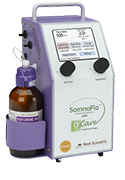
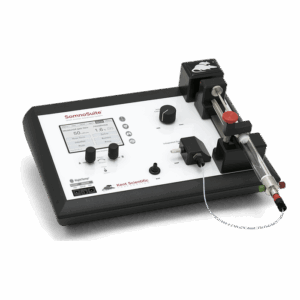
For mouse and rat anesthesia, Kent systems such as SomnoSuite, SomnoFlo, and SomnoFlo O₂ Care are designed around small animal workflows. For warming and monitoring, RightTemp, PhysioSuite, MouseSTAT Jr., and related tools help teams support more consistent procedures and recovery. For identification and home-cage workflows, UID RFID tools and AnyCage monitoring can help reduce disruption and improve longitudinal tracking.
The product choice should follow the study design.
Start with the animal, the endpoint, and the workflow. Then choose the setup that helps your team run the protocol consistently.
Better model choice protects the study
Choosing mice versus rats is not only a scientific decision.
It is a workflow decision.
The right animal model should fit the biology, your endpoint, the procedure, the housing plan, the equipment, the training level, and the data you need to collect.
That upfront work saves time later.
It reduces preventable variability.
It helps protect animal welfare.
It makes the protocol easier to defend.
And it gives the study a better chance of answering the question it was built to ask.
Talk to Kent about your mouse or rat workflow: Contact Kent
Explore small animal anesthesia, monitoring, and warming systems: Explore our solutions
FAQ: Choosing rats versus mice in research workflows
Are mice or rats better for preclinical research?
Neither species is universally better. Mice are often useful for genetic models, disease lines, high-throughput studies, and colony-based research. Rats are often useful when larger body size, repeated sampling, surgery, physiology, or complex behavioral workflows matter.
Why do labs use mice so often?
Mice are widely used because of their genetic tools, short generation time, small size, established strains, disease models, and extensive research infrastructure. Jackson Laboratory’s mouse model resources describe many of these advantages. (Jackson Laboratory)
When are rats a better choice than mice?
Rats may be a better fit when the study needs larger sample volumes, easier surgical access, implanted devices, repeated sampling, certain physiology workflows, or complex behavioral testing. Rodent neuroscience reviews describe important behavioral and physiological differences between rats and mice that can affect study design. (PMC)
Do rats and mice need different anesthesia workflows?
Often, yes. Body size, procedure length, ventilation needs, warming requirements, monitoring options, and equipment fit can differ between rats and mice. Labs should confirm anesthesia settings and equipment choices for the species, procedure, and institutional protocol.
How does housing affect mouse and rat studies?
Housing can affect welfare, stress, behavior, and data interpretation. The Guide for the Care and Use of Laboratory Animals notes that social animals should generally be housed in stable compatible pairs or groups unless there is a justified reason not to do so. (Grants.gov)
How should labs choose between rats and mice?
Start with the biological question and endpoint. Then evaluate technical feasibility, sampling needs, housing, equipment, anesthesia, monitoring, cost, training, and repeatability. The best model is the one that can answer the study question reliably and humanely.
Choosing between integrated digital and traditional vaporizers? Learn more here