Rat as a Model Organism: Advantages, Limitations, and When to Use Rats in Research
Rat as a Model Organism: Advantages, Limitations, and When to Use Rats in Research
TL;DR Why are rats used as model organisms?
Rats are used as model organisms because their physiology, behavior, body size, and well-characterized genetics make them useful for studying complex biological systems and human disease. Compared with mice, their larger size can make surgery, catheterization, physiological monitoring, imaging, and repeated sampling more practical. Rats are especially valuable in neuroscience, cardiovascular research, toxicology, pharmacology, metabolism, and behavioral science.
No model is universally best, however. Rats cost more to house than mice, require more space and compound, and cannot reproduce every feature of human biology. The right question is not whether rats are a “good” model. It is whether a specific rat strain, sex, age, and disease model can answer your research question with acceptable scientific and welfare tradeoffs.
What is a rat model organism?
A rat model organism is a laboratory rat used to study biological processes, disease mechanisms, treatments, or safety in a controlled research setting. Most laboratory rats belong to the species Rattus norvegicus, the Norway rat.
Researchers do not simply study “the rat.” They select from inbred strains, outbred stocks, genetically modified lines, and models created through diet, surgery, chemical exposure, or other interventions. Each choice can influence physiology, behavior, disease expression, and experimental variability.
That distinction matters. A result obtained in one rat model should not automatically be treated as a species-wide result—or as a prediction of what will happen in humans.
Why are rats used in research?
Rats have supported biomedical research for more than a century, but longevity alone is not a reason to choose them. They remain useful because they offer a practical combination of biological relevance, experimental accessibility, and accumulated scientific knowledge.
Rats allow researchers to study integrated physiology
Cell cultures, organoids, and computational models can answer important questions and may replace animal use in some studies. They cannot yet reproduce every interaction among the cardiovascular, nervous, endocrine, immune, and metabolic systems.
A rat model can help researchers observe those systems working together over time. This is particularly valuable when the endpoint depends on whole-body physiology rather than a single molecular pathway.
Their larger size can make procedures more practical
Adult rats are substantially larger than adult mice. That difference can improve access for microsurgery, catheter placement, intubation, implanted devices, repeated blood collection, and some imaging or monitoring procedures.
Larger anatomy does not make a procedure simple. It can, however, provide more physical working room and make certain measurements or interventions more feasible. Rats are often preferred in cardiovascular research for this reason.
Rat behavior is well suited to complex testing
Rats can learn multi-step tasks, interact socially, and perform in established tests of memory, motivation, sensory processing, reward, addiction, and decision-making. Researchers also have decades of comparative data for many behavioral paradigms.
Behavior is sensitive to strain, sex, age, housing, handling, time of day, personnel, and the test environment. The rat’s behavioral range is an advantage only when these influences are planned for and reported.
Rat genetics and research resources have improved
The rat genome was sequenced in 2004, and newer reference assemblies continue to improve the accuracy and completeness of genomic resources. Researchers now have access to gene-edited and humanized rat models, alongside established strains and extensive phenotype and disease data.
CRISPR and other genetic tools have narrowed a historical gap between rat and mouse model development. Mice still offer a larger catalog of established genetically engineered lines in many fields, but the rat is no longer limited to traditional breeding or induced disease models.
What are the advantages of rats as model organisms?
The strongest reason to use a rat is not that it is “more human” than another species. It is that the rat may offer the best fit between the biological question and the measurements required to answer it.
1. Accessible anatomy for surgery and instrumentation
The rat’s size can make vascular access, stereotaxic surgery, nerve manipulation, transplantation, ventilation, and device implantation more manageable than in smaller rodents. It can also support the collection of multiple physiological measurements from the same animal.
This may improve the amount of useful information obtained from each study animal. Whether it reduces animal numbers depends on the experimental design, effect size, variability, and statistical plan—not size alone.
2. Strong models for cardiovascular and metabolic research
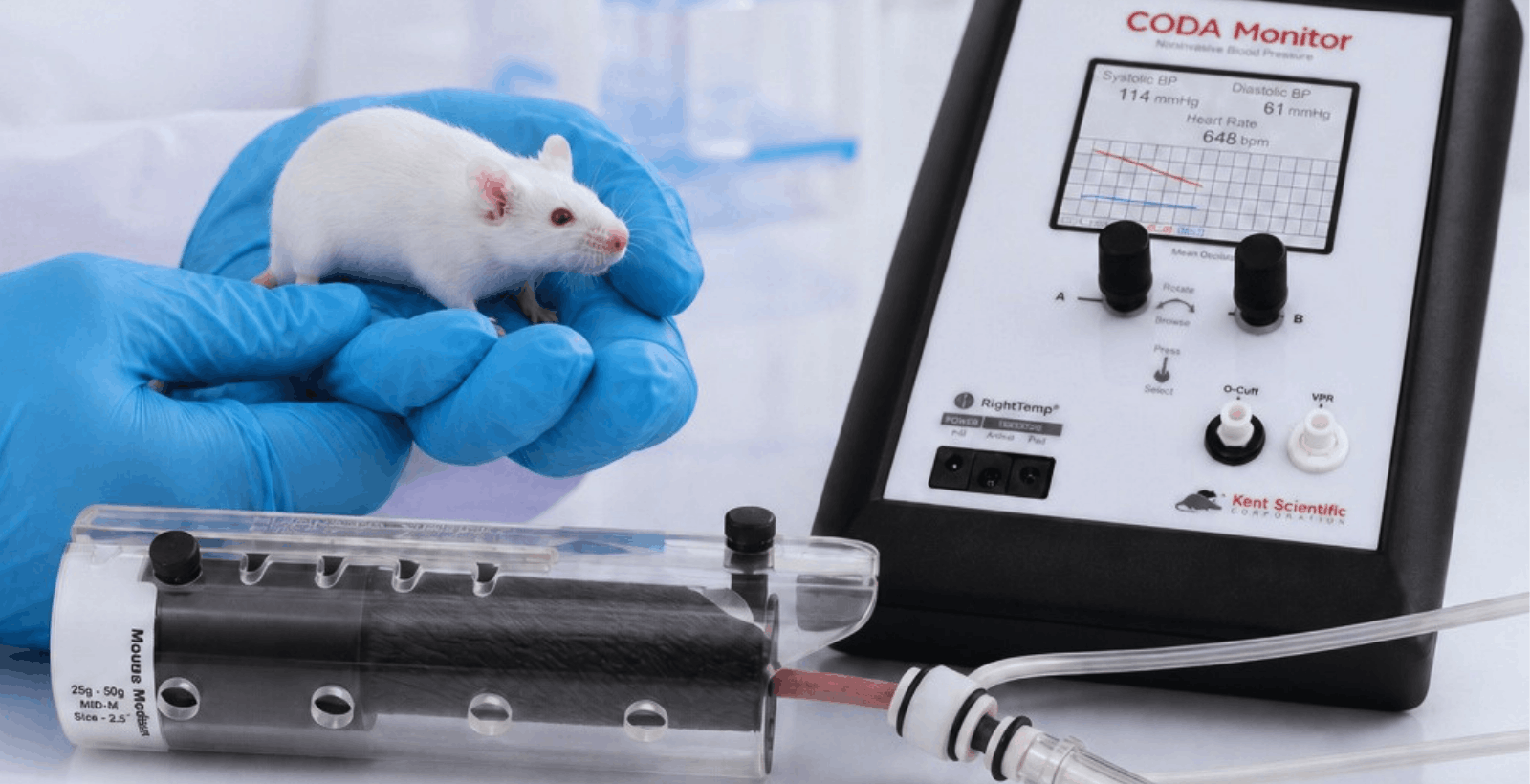
Rats have a long history in studies of hypertension, stroke, cardiac function, obesity, diabetes, renal disease, and metabolism. Established strains can model specific phenotypes, while their size can support blood pressure measurement, hemodynamic monitoring, surgery, and serial sampling.
The value here is not simply tradition. Mature methods and historical datasets can make new findings easier to compare with earlier work, provided the model still matches the current question.
3. Rich behavioral and neuroscience applications
Rats are widely used to study learning, memory, addiction, pain, sleep, stress, social behavior, and neurological disease. Their capacity for training can allow repeated measurements and more complex tasks than may be practical in some other models.
Researchers must still separate the biology of interest from the effects of stress and handling. Habituation and low-stress handling can improve welfare and reduce unwanted variability, but these practices should be consistent with the study objective.
4. Opportunities for longitudinal measurements
Depending on the study and approved protocol, rats may be suitable for repeated blood sampling, telemetry, imaging, metabolic measurements, or behavioral testing across time. Longitudinal designs allow the same animal to serve as its own reference and can reveal progression that a single endpoint misses.
Repeated measurement is not automatically a refinement. Sampling volume, frequency, restraint, anesthesia, recovery, and cumulative burden must all be considered.
5. Established use in toxicology and pharmacology
Rats are commonly used to evaluate exposure, dose response, pharmacokinetics, organ toxicity, and safety. Their historical use has produced extensive background data across strains, tissues, ages, and endpoints.
That background can help researchers interpret whether a finding is treatment-related or within an expected range. It does not eliminate species differences in absorption, distribution, metabolism, excretion, or target biology.
What are the limitations of rat models?
Every model simplifies reality. A useful rat study makes those simplifications explicit rather than burying them under a confident conclusion.
Rat biology is not human biology
Rats share many conserved genes, organs, and physiological pathways with humans, but similarities do not guarantee equivalent disease progression or treatment response. Differences in metabolism, immune function, lifespan, anatomy, and environmental exposure can limit translation.
A rat model may reproduce one mechanism or phenotype of a human condition without reproducing the entire disease. Researchers should define which feature the model represents and which features it does not.
Strain, sex, and age can materially change the result
Different rat strains can vary in blood pressure, metabolism, immune responses, behavior, disease susceptibility, and drug response. Sex and age can be equally important. Even the same strain can show differences across suppliers, colonies, or environments.
“Rats were used” is therefore not enough for interpretation or reproducibility. The strain or stock, substrain where relevant, sex, age, weight, source, housing, and husbandry conditions should be selected deliberately and reported clearly.
Rats require more space and resources than mice
Rats need larger cages, use more food and bedding, and generally require more test compound per dose. Colony maintenance and long-duration studies can therefore cost more.
Cost should be evaluated against information yield. A cheaper model that cannot support the required endpoint, procedure, or measurement is not economical. It is just an expensive way to get an ambiguous answer.
Genetic model availability still varies
Gene editing has expanded the range of rat models, but mice retain a broader selection of established transgenic, knockout, Cre-lox, and disease-specific lines in many research areas. Developing or sourcing a specialized rat model may take more time and money.
Before committing, researchers should confirm that the required genotype exists, has been validated for the intended phenotype, and is available on a realistic timeline.
Welfare and handling can affect both the animal and the data
Rats are social, intelligent animals with species-specific behavioral needs. Social housing, cage complexity, handling, habituation, enrichment, and procedural experience can influence stress and experimental outcomes.
These are not background details to be handled after the protocol is written. They are part of the model and should be considered during study design.
Rat vs. mouse: which model should you choose?
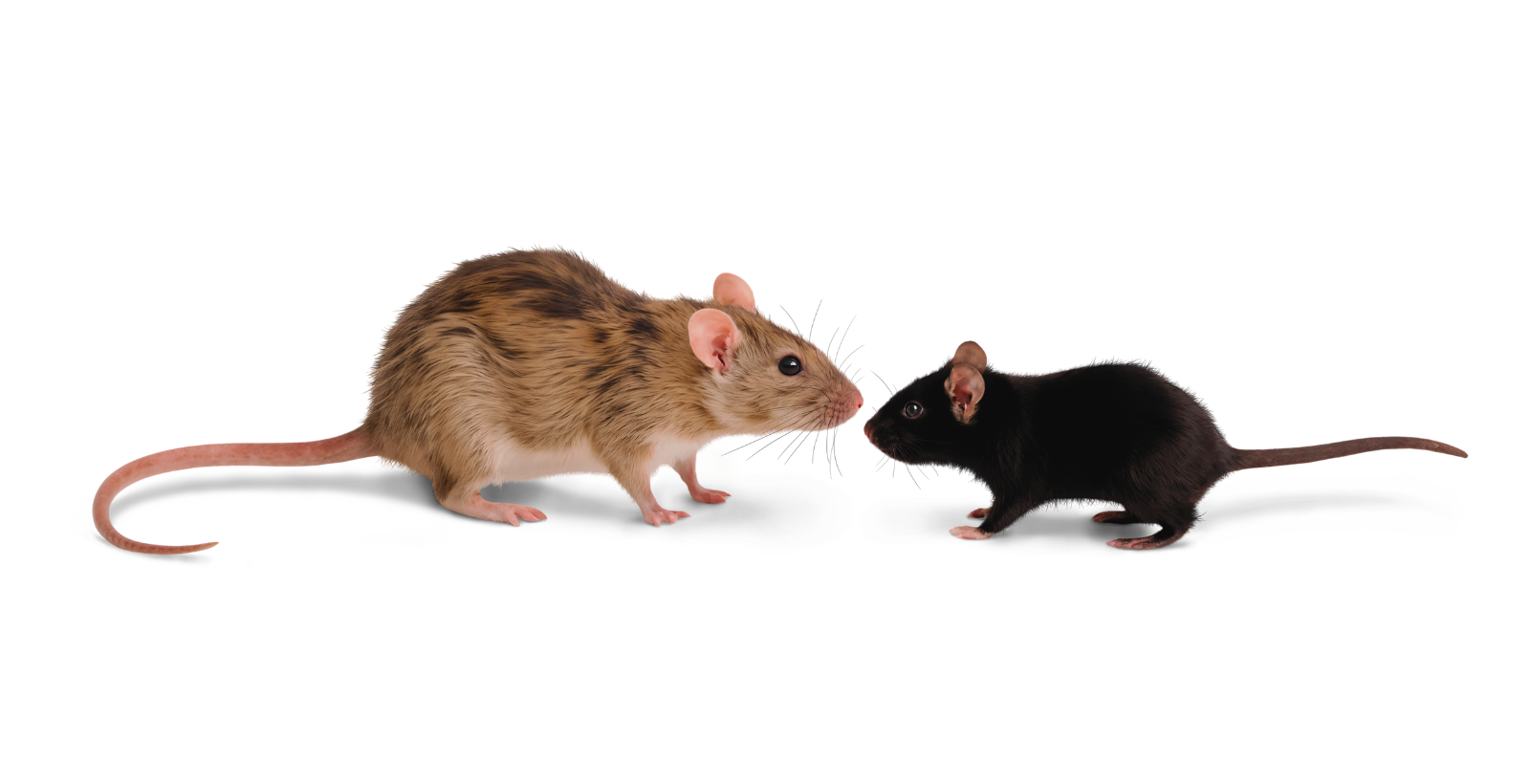
Rats and mice are not interchangeable versions of the same experiment. Both can be appropriate, but they offer different practical and scientific tradeoffs.
Study consideration
Rat may be favored when…
Mouse may be favored when…
Surgery or instrumentation
Larger anatomy improves access or device placement
The procedure and endpoint are validated at mouse scale
Repeated sampling
Serial measurements require greater practical blood-volume flexibility
Microsampling can answer the question
Behavior
Complex training or well-established rat paradigms fit the endpoint
A validated mouse behavioral or genetic model is available
Genetics
The relevant rat strain or engineered model exists
A broader or better-validated mouse genetic toolkit is needed
Housing and compound use
Added cost is justified by information yield
Scale, colony size, or compound availability is limiting
Historical data
Rat background data best match the field or regulatory need
Mouse literature and reference data better support interpretation
Species should be chosen after defining the endpoint, not before. If the experiment requires a procedure that is unreliable at mouse scale, a rat may improve feasibility. If the central requirement is a highly specific genetic line, a mouse may offer the better model.
For a deeper look at how anesthesia, temperature control, ventilation, and monitoring change between species, see Kent Scientific’s guide to mice vs. rats in research.
Where are rat models commonly used?
Rat models are used across many areas of biomedical research, but their relevance depends on the particular model and endpoint.
Neuroscience and behavior: learning, memory, addiction, pain, sleep, stroke, neurodegeneration, and psychiatric research
Metabolic and endocrine research: diabetes, obesity, renal function, reproductive biology, and hormone signaling
Toxicology and pharmacology: dose response, pharmacokinetics, organ toxicity, drug safety, and compound screening
Surgical and device research: implantation, catheterization, transplantation, wound healing, and procedural development
Cancer research: tumor biology, carcinogenesis, treatment response, and selected xenograft or genetically engineered models
This list describes common applications, not automatic model validity. A rat can be widely used in a field and still be the wrong choice for a particular mechanism, therapy, or patient population.
How do you choose the right rat model?
Model selection should begin with the biological question and work backward to the species, strain, and workflow.
1. Define the feature that must be modeled
Is the study testing a disease mechanism, treatment response, safety signal, surgical technique, device, behavior, or physiological endpoint? Define the essential feature before comparing models.
2. Confirm that the model shows the relevant phenotype
Review primary research for the exact strain, sex, age, induction method, and endpoint being considered. A model’s reputation is less important than evidence that it produces the feature your study needs.
3. Identify what the model cannot represent
List important differences from the human condition or target population. Consider disease timing, immune status, comorbidities, metabolism, anatomy, sex, age, and exposure history.
4. Check whether the required measurements are feasible
Consider sampling volume, imaging resolution, device dimensions, surgical access, anesthesia, ventilation, temperature maintenance, recovery, and physiological monitoring. A sound biological model can still fail if the workflow cannot produce stable, reproducible measurements.
5. Build in the 3Rs
Replacement asks whether a non-animal or alternative model can answer the question. Reduction focuses on obtaining valid information from the appropriate number of animals. Refinement minimizes pain and distress and improves welfare throughout housing, handling, procedures, and recovery. This is especially important as “technology marches on;” the paper that validated a procedure in rat may have done so because a particular assay was not sensitive enough. If a more sensitive or reliable assay has since been developed, smaller sample volumes may be the more responsible choice.
The 3Rs should shape the study from the beginning. They are not a compliance paragraph added after the design is complete.
6. Plan for bias control and transparent reporting
Define inclusion and exclusion criteria, sample-size rationale, randomization, blinding, outcome measures, and statistical methods before data collection. The ARRIVE 2.0 guidelines provide a useful framework for study planning and reporting.
Rat model workflow considerations
Choosing the right organism is only the beginning. Inconsistent procedures can add variability to even a well-matched model.
For anesthetized or surgical studies, plan how you will maintain and document anesthetic depth, body temperature, ventilation, oxygenation, cardiovascular status, and recovery. Equipment should fit the rat, the procedure, and the endpoints being collected. Settings developed for mice should not simply be carried over because both species happen to be rodents.
Handling, housing, acclimation, personnel training, and time of day should also be standardized where they could affect the result. The goal is not to remove every source of biological variation. It is to control avoidable variation and report the conditions needed to interpret the study.
Frequently asked questions about rats as model organisms
Why are rats good model organisms?
Rats combine well-characterized biology with accessible anatomy, complex behavior, established disease models, and growing genetic resources. They can be especially useful when a study requires surgery, instrumentation, repeated sampling, physiological monitoring, or established behavioral testing.
What species of rat is used in research?
Most laboratory rats are Rattus norvegicus, commonly called the Norway rat. Researchers use many strains, stocks, and genetically modified lines derived from this species.
Are rats better models than mice?
Not necessarily. Rats may be better for some surgical, cardiovascular, behavioral, sampling, or monitoring workflows. Mice may be better when a specific genetic model, smaller colony footprint, or lower compound requirement is important. The better model is the one that best fits the question and endpoint.
What are the main disadvantages of rat models?
Rats require more housing space and test compound than mice, and specialized genetic lines may be less available. More importantly, rat physiology and disease do not fully reproduce human biology, so translational limits must be defined for each model.
How do rat models support the 3Rs?
Rat studies can support reduction when longitudinal measurements or multiple compatible endpoints increase the information obtained from each animal. Refined handling, housing, anesthesia, monitoring, and recovery practices can reduce distress. Researchers must also evaluate whether replacement methods can answer all or part of the question before selecting an animal model.
The best model is the one that can answer the question
Rats remain valuable model organisms because they make certain biological questions and experimental workflows possible. Their size, physiology, behavior, and research history can be genuine advantages—but only when they match the endpoint.
A defensible study explains why the chosen rat model is appropriate, what its limitations are, and how the workflow will protect animal welfare and data quality. Start there. Then build the equipment, monitoring, and procedural plan around the science you actually need to do.
If your team is planning a rat anesthesia, surgery, ventilation, warming, or physiological monitoring workflow, talk with Kent Scientific about building a setup around your protocol and endpoints.
IACUC Protocols for Rodent Research: What to Include and How to Prepare
TL;DR
An IACUC protocol describes proposed animal work so the institution can evaluate it before covered activities begin. A useful rodent protocol connects the research question, animal numbers, procedures, and care in one consistent account. Use your institution’s current form...
RFID Microchips for Mice and Rats: A Guide to Rodent Identification
TL;DR
RFID microchips give research mice and rats an electronic identifier that a compatible reader can retrieve. They are worth considering when the same animal moves through repeated procedures, measurements, or staff handoffs. Their usefulness depends on how reliably the scan...
Laboratory Animal Management: Building Better Rodent Research Workflows
TL;DR
Laboratory animal management connects daily care with the people, procedures, and records that support a study. For mice and rats, the practical goal is continuity: the approved plan should remain clear as an animal moves from housing through a procedure and recovery. Reliable...
CODA vs. Other Rodent Blood Pressure Systems: How to Compare Tail-Cuff Options
TL;DR
The closest alternatives to the CODA® High Throughput System are the Hatteras MC4000, Visitech BP-2000, and IITC MRBP because each supports multi-animal, non-invasive tail-cuff blood pressure measurement in mice and rats. Panlab can accommodate multiple restrained animals, but its measurements...
Tail-Cuff vs. Telemetry: How to Choose Based on Study Design
TL;DR
Choose tail-cuff when your study needs scheduled blood pressure measurements across multiple mice or rats without surgical implantation. Choose telemetry when continuous, beat-to-beat, circadian, or freely moving measurements are essential to the hypothesis. Neither method is universally better. The right choice...
How to Reduce Waste Anesthetic Gas in Rodent Workflows
TL;DR
To reduce waste anesthetic gas in rodent workflows, start at the source: use an appropriate fresh gas flow for the animal and procedure, connect and maintain an effective scavenging system, check the anesthesia circuit for leaks, limit gas release during induction and...
Guide to Green Anesthesia in Research Labs
Practical ways to reduce waste gas, cost, and environmental impact in rodent workflows
TL;DR
Green anesthesia in research labs is about reducing avoidable waste while still delivering appropriate anesthesia for the animal and procedure. In rodent workflows, that usually starts with flow rate, waste anesthetic gas...
Traditional vs. Integrated Digital: How to choose Anesthetic Vaporizers
Why Size-Appropriate Anesthesia Matters for Animal Safety
TL;DR:
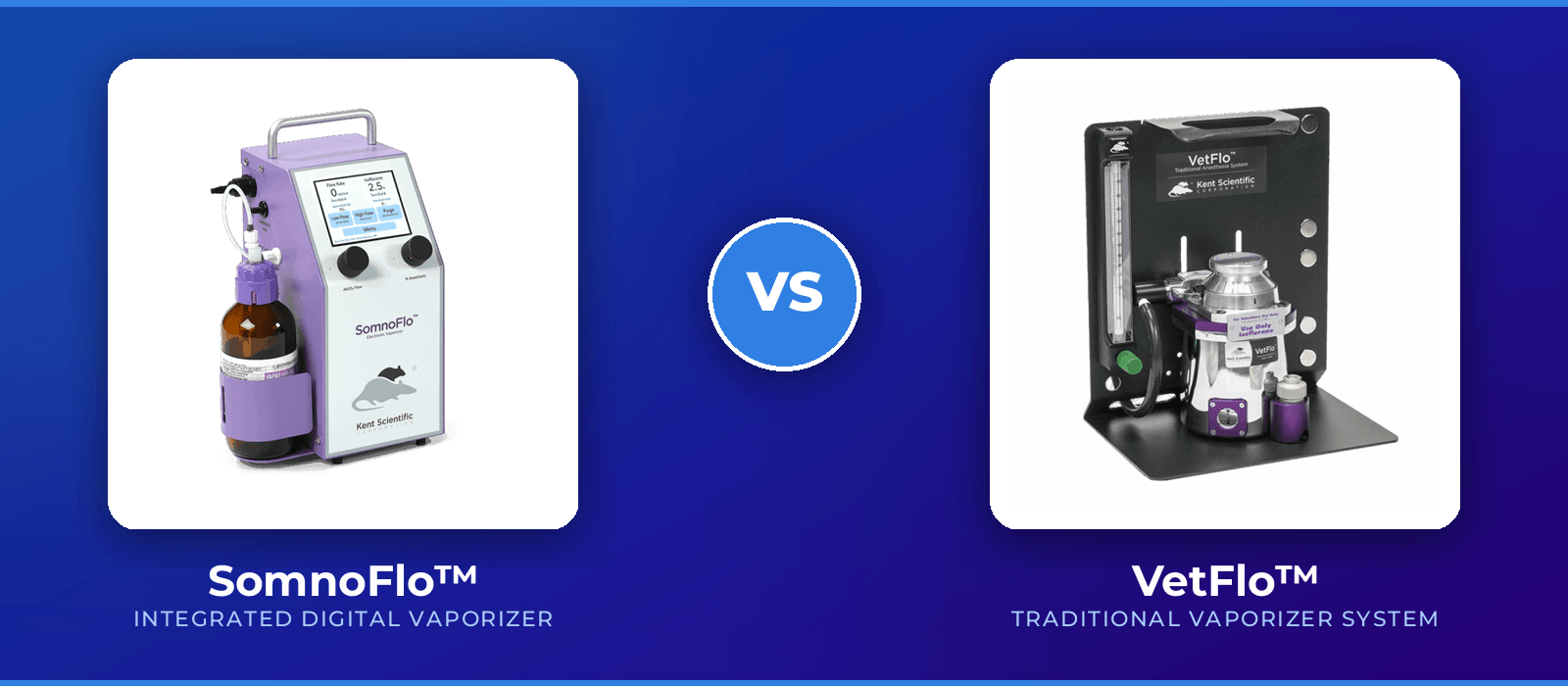
Traditional vaporizers are familiar and widely used, but they are often run at flow rates above what mice and rats need. Integrated digital anesthetic vaporizers are designed to make small animal anesthesia more size-appropriate, with lower...
Research Workflows: What to Consider When Choosing Between Rats and Mice?
TL;DR
Labs choose between rats and mice based on the study question, not convenience alone. Mice often fit genetic or high-throughput work. Rats often fit workflows that need larger body size, easier surgical access, richer behavioral testing, or repeated sampling. The...
Guide to Waste Anesthesia Gas Leakage and Compliance
What your research lab should check before your next anesthesia audit
TL;DR
Waste anesthetic gas problems rarely start with one dramatic failure. They often come from small leaks, worn tubing, loose fittings, saturated scavenging, inconsistent setup, and incomplete documentation. For labs using traditional vaporizers, service...
Building a Preclinical Procedure Station
What labs need for anesthesia, oxygen, monitoring, and surgery
TL;DR
A good preclinical procedure station is built around the procedure, species, endpoint, and user workflow. Start with anesthesia delivery and oxygen strategy, then plan respiratory support, monitoring, surgical tools, warming, recovery, documentation, and training. The goal is a...
Waste Anesthetic Gas’ Impacts on the Environment
How your lab can dramatically improve its carbon footprint
TL;DR
In this article, we dig into waste anesthetic gas’ impact on the environment. If you run mouse anesthesia at 1–1.5 L/min, most of what you deliver isn’t being used by the animal. It’s going to scavenging—or...
Important Note: The content on this blog is general educational material. It is not a protocol, regulatory guidance, veterinary recommendation, clinical directive, or safety instruction for any specific laboratory, study, animal model, institution, species, procedure, or equipment configuration.
Do not apply any information from this blog to your research without first independently confirming that it is appropriate for your specific protocol, species, model, equipment configuration, firmware version, institutional requirements, IACUC or ethical review approvals, safety policies, and applicable regulations. To the extent any content on this blog addresses Kent Scientific or other specific products, it does not replace, modify, or supplement the official User Manual or product labeling for those products.
Kent Scientific assumes no liability for any outcome resulting from reliance on blog content. Every research environment is different, and the suitability of any approach described here for your specific circumstances can only be determined by qualified personnel with knowledge of your particular setup, protocol, and regulatory obligations. Always consult your institutional veterinarian, IACUC, facility leadership, safety officer, and official product documentation before implementing any change to your procedures.
To provide the best experiences, we use technologies like cookies to store and/or access device information. Consenting to these technologies will allow us to process data such as browsing behavior or unique IDs on this site. Not consenting or withdrawing consent, may adversely affect certain features and functions.
Functional
Always active
The technical storage or access is strictly necessary for the legitimate purpose of enabling the use of a specific service explicitly requested by the subscriber or user, or for the sole purpose of carrying out the transmission of a communication over an electronic communications network.
Preferences
The technical storage or access is necessary for the legitimate purpose of storing preferences that are not requested by the subscriber or user.
Statistics
The technical storage or access that is used exclusively for statistical purposes.The technical storage or access that is used exclusively for anonymous statistical purposes. Without a subpoena, voluntary compliance on the part of your Internet Service Provider, or additional records from a third party, information stored or retrieved for this purpose alone cannot usually be used to identify you.
Marketing
The technical storage or access is required to create user profiles to send advertising, or to track the user on a website or across several websites for similar marketing purposes.
To provide the best experiences, we use technologies like cookies to store and/or access device information. Consenting to these technologies will allow us to process data such as browsing behavior or unique IDs on this site. Not consenting or withdrawing consent, may adversely affect certain features and functions.
Functional
Always active
The technical storage or access is strictly necessary for the legitimate purpose of enabling the use of a specific service explicitly requested by the subscriber or user, or for the sole purpose of carrying out the transmission of a communication over an electronic communications network.
Preferences
The technical storage or access is necessary for the legitimate purpose of storing preferences that are not requested by the subscriber or user.
Statistics
The technical storage or access that is used exclusively for statistical purposes.The technical storage or access that is used exclusively for anonymous statistical purposes. Without a subpoena, voluntary compliance on the part of your Internet Service Provider, or additional records from a third party, information stored or retrieved for this purpose alone cannot usually be used to identify you.
Marketing
The technical storage or access is required to create user profiles to send advertising, or to track the user on a website or across several websites for similar marketing purposes.