
How antibodies work and why they’re important
What they tell us now about protection, immune escape, and next-gen countermeasures—and why preclinical rigor decides what’s real
Antibodies are central to how we evaluate protection, immune escape, and next-gen countermeasures — and much of that work still depends on rigorous preclinical models. That’s why the details matter: stable physiology, controlled anesthesia, consistent recovery, and clean documentation. When the model is noisy, immune readouts get noisy too—and that’s how programs waste time, animals, and confidence.
Early pandemic years popularized rapid antigen testing and trained everyone to think about antibodies in one simplified way: “do you have them or not?”
Preclinical and translational teams have a different job.
They’re trying to answer questions like:
- Does this response actually neutralize?
- How broad is it across variants?
- How durable is it?
- What changes when the virus changes?
This post is a refresher built for people doing the work: researchers, lab managers, vivarium teams, and preclinical program leads.
What antibodies do
Antibodies are proteins made by the immune system that recognize specific targets (antigens). In viral infections, two antibody “jobs” get mixed together all the time:
Binding antibodies attach to the virus (or parts of it). Binding tells you the immune system recognized something.
Neutralizing antibodies interfere with infection—often by blocking viral entry or otherwise preventing effective replication. Neutralization is why antibodies remain central to protection and immune escape conversations.
A positive antibody test can tell you exposure happened. It doesn’t automatically tell you how protected someone is, how broad that protection is, or how long it lasts.
Why antibodies are central in 2026
1) Immune escape is being measured—because viruses evolve
SARS-CoV-2, the flu, and even the common colds produce variants with differing degrees of immune escape. One of the standard ways we characterize that escape is how well serum antibodies neutralize viral variants. For example, CDC surveillance summaries of SARS-CoV-2 continue to describe reduced neutralization for certain emerging lineages in vitro.
That doesn’t mean “everything is failing.” It means antibody neutralization remains one of the cleanest, most comparable metrics we have for tracking escape pressure across variants.
2) The field has moved toward “breadth,” not just “match”
A big shift since 2020: antibody work isn’t only about chasing the latest spike changes. It’s about building responses that hold up across families of related viruses.
That’s why you’re seeing more research aimed at broadly neutralizing antibodies (bnAbs) that recognize more conserved regions, and vaccine concepts aimed at broader sarbecovirus coverage. For example, recent work has examined fusion-peptide-directed antibody responses and their relationship to neutralization breadth.
And there are active efforts to develop pan-sarbecovirus vaccine candidates and evaluate them in appropriate systems.
3) “Universal” vaccine ideas are entering human trials
The “pan-sarbecovirus” concept has moved from theory and animal work into early clinical evaluation. A University of Washington/IPD update describes an international Phase 1/2 trial for a SARS-virus-family vaccine candidate, framing it around broader protection goals.
Antibodies become even more central in these “broad spectrum” vaccines—because breadth has to be measured somehow, and neutralization remains a key part of that.
What antibodies don’t tell you (and why this matters)
Antibodies are important, but “antibody level” is not a universal proxy for “protection.” Protection depends on:
- what the antibodies target
- whether they neutralize and how potently
- how quickly they wane
- what variant you’re facing
- what the rest of the immune system is doing
This is part of why public health guidance has matured into risk-based recommendations and practical clinical considerations rather than “one number fits all.” Current CDC guidance for 2025–2026 emphasizes individual-based decision-making, reflecting a landscape shaped by prior infection, vaccination history, and risk factors.
For preclinical teams, this nuance is a feature, not a problem. It’s why antibody work includes multiple readouts—neutralization assays, binding profiles, breadth panels, durability measurements—rather than one simple test.
Why preclinical models still matter for antibody decisions
Preclinical models are not “mini-humans.” They are tools for answering questions early that are hard to answer any other way with speed and control:
- Does a candidate induce neutralizing activity in vivo?
- Is the response broad enough to matter across variants or related viruses?
- Does protection persist long enough to justify the next stage?
- Are there safety signals that require design changes?
That’s the scientific “why.”
Here’s the operational “why”:
Antibody readouts are sensitive to physiology. In small animals, unstable temperature, inconsistent anesthesia depth, variable carrier gas strategy, and inconsistent recovery conditions can alter stress physiology and downstream immune outcomes. That doesn’t make the model “bad.” It makes rigor non-negotiable.
This is where the 3Rs show up as day-to-day practice:
- Refinement: stable procedures, less stress, better recovery.
- Reduction: tighter variance, fewer animals needed to see signal.
- Replacement: earlier stage work in vitro/in silico where appropriate.
Kent’s view is straightforward: better welfare → better workflows → better data. The three move together.
The hidden variable in small animal immunology work: unstable procedure environments
In immunology studies, it’s easy to obsess over the assay and ignore the conditions around the animal. The “quiet” variables tend to be the ones that drift between staff and sessions:
Temperature support
Mice lose heat quickly under anesthesia. Temperature drift affects recovery and can alter physiology enough to widen variance. A temperature plan that is consistent across stations matters more than a perfect plan that’s inconsistently executed.
- Warming and temperature control: RightTemp® / RightTemp® Jr.
Anesthesia delivery and carrier gas strategy
Anesthesia is a physiological environment. Depth consistency matters. Carrier gas strategy can matter when you care about physiologic relevance and stability, especially as the field increasingly evaluates oxygen strategy rather than defaulting to a single approach.
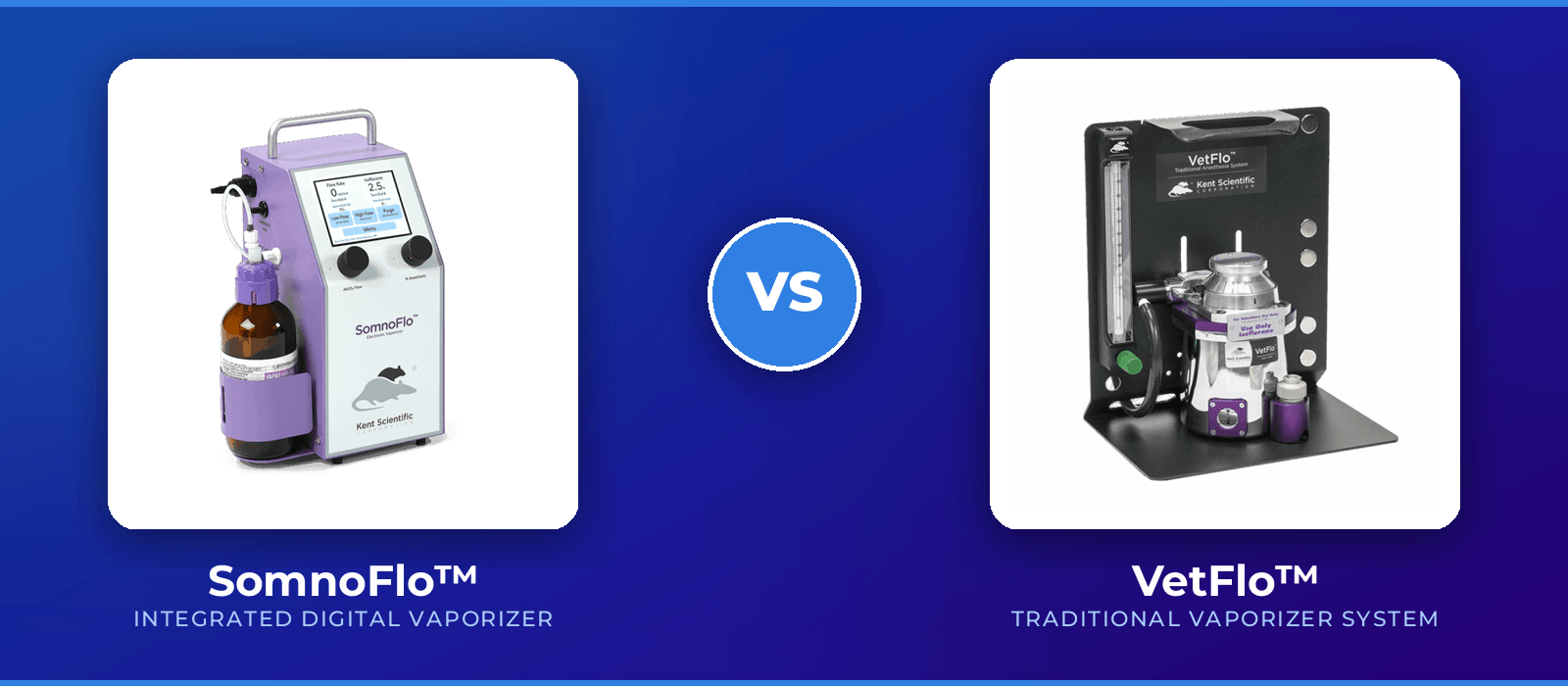
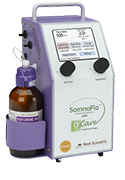
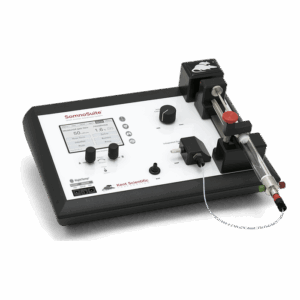
- Rodent anesthesia delivery: SomnoSuite® and SomnoFlo®
- Oxygen blending strategy: SomnoFlo® O2Care
Monitoring and documentation discipline
Some studies don’t require intensive monitoring. Others do. The key is aligning monitoring with the study’s sensitivity to physiologic drift and ensuring teams record a minimum dataset that supports interpretation.
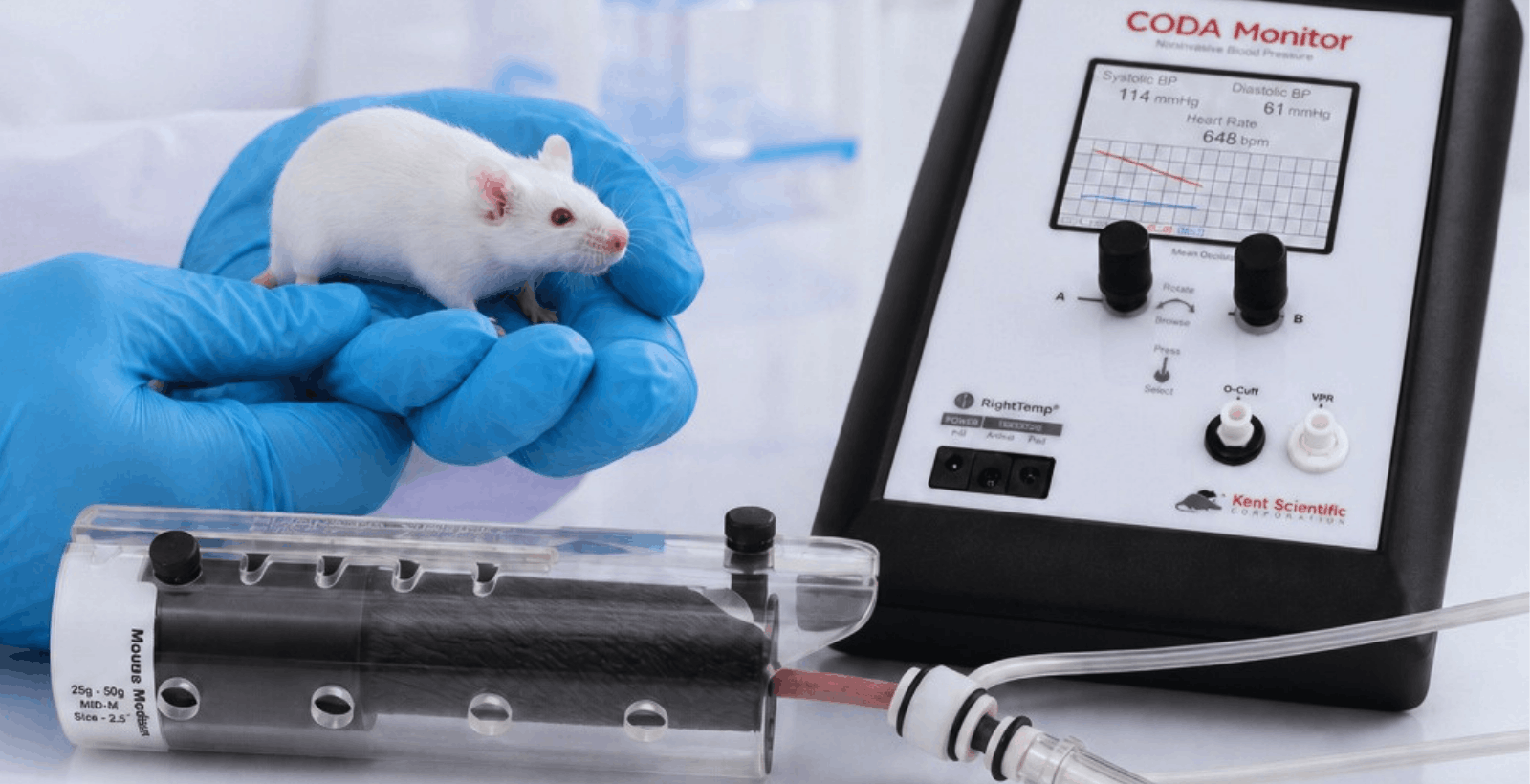
- Monitoring ecosystem: PhysioSuite® / MouseSTAT® Jr.
Recovery environment
Recovery is part of the experimental environment. Different heat sources, different airflow, different handling cadence—those differences create different biology.
If your program is comparing cohorts across time or sites, you want recovery criteria that are explicit and consistent.
A practical checklist for antibody-focused small animal studies
You don’t need to turn every study into a compliance exercise. You do need a baseline that prevents avoidable noise.
Start by standardizing and documenting:
- Strain/sex/age and housing basics (light cycle, diet, water source/additives)
- Procedure timing (time-of-day consistency)
- Anesthesia approach and duration (induction/maintenance/recovery plan)
- Carrier gas strategy (and when it changes)
- Warming method and temperature confirmation approach
- Recovery criteria and observation cadence
- Minimum recorded dataset (so cohorts are comparable)
This is one of those areas where rigor isn’t “extra.” It’s how you protect interpretability.
Next steps: watch our oxygen strategy mini-webinar
Carrier gas choices are being actively reevaluated in rodent anesthesia, and the implications touch welfare and translatability.
Watch: Room air vs 100% O₂ vs blending—what changes in anesthesia physiology and why it matters
Get a workflow recommendation
If your work includes in vivo immunology studies and anesthesia, we can recommend a practical station setup based on:
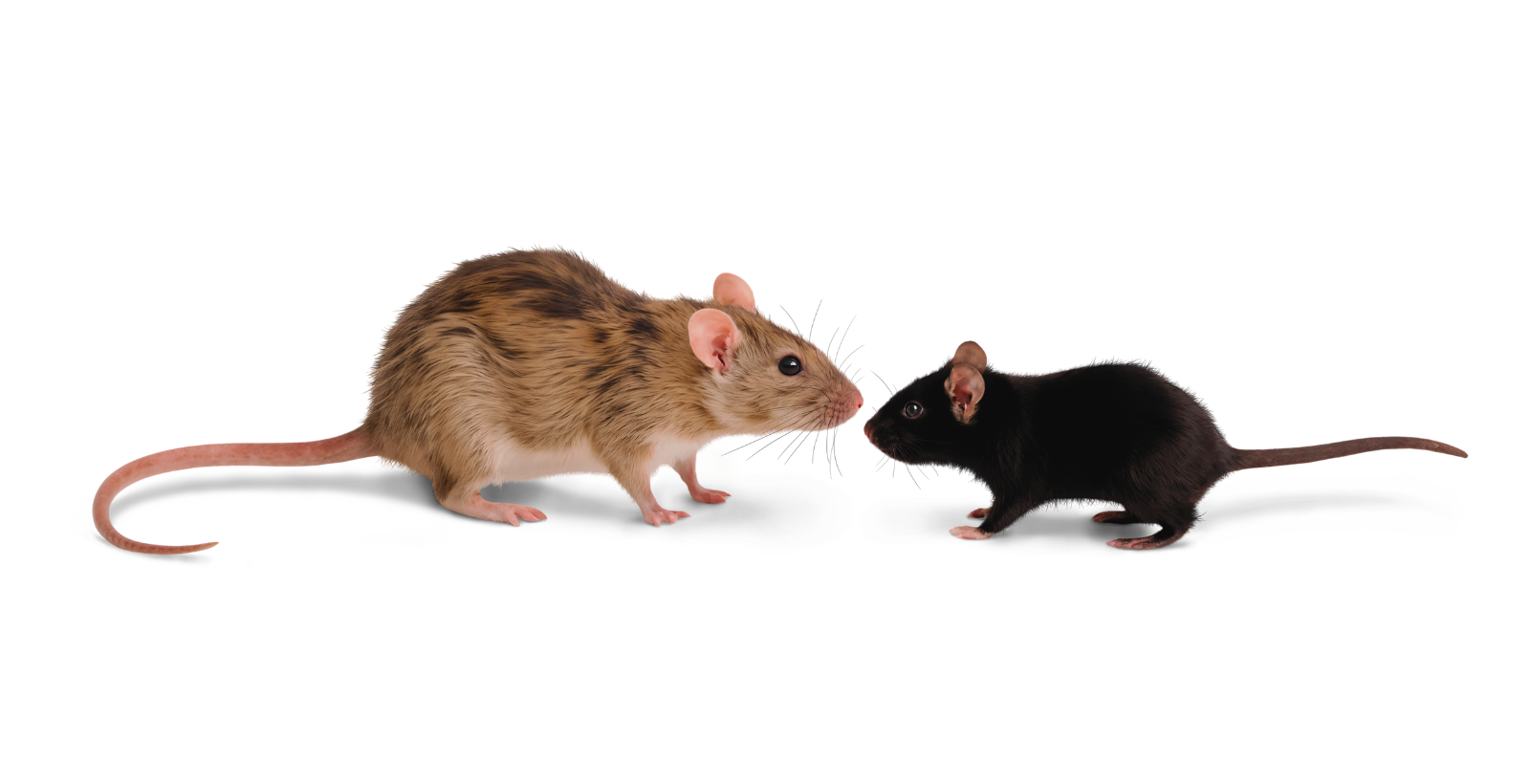
- mouse vs rat
- procedure type and typical duration
- endpoints that are sensitive to physiologic drift
- animals per session and staffing model
Contact us for your workflow recommendation
Why antibodies still matter
Antibodies matter because they remain central to how we evaluate protection, escape, and what comes next. The field has shifted toward breadth—bnAbs, conserved targets, and pan-sarbecovirus strategies—and that work still leans heavily on preclinical models.
If you want those models to be informative, the experimental environment has to be stable: anesthesia consistency, thoughtful carrier gas strategy, temperature control, monitoring when it matters, and recovery conditions that don’t drift between people and days. That’s refinement in practice—and it’s how you get cleaner science without burning animals to compensate for noise.
FAQ
Are antibodies still important for COVID in 2026?
Yes. Antibody neutralization remains a key metric for evaluating protection and immune escape as SARS-CoV-2 evolves.
What’s the difference between binding and neutralizing antibodies?
Binding antibodies attach to viral targets and mark them for destruction. Neutralizing antibodies bind to specific sites and block pathogens from infecting host cells. Neutralization is often more directly tied to protection metrics, especially when comparing variants.
Why are researchers working on “pan-sarbecovirus” vaccines?
Because “breadth” is the goal: responses that hold up across variants and related SARS-family viruses. There are ongoing vaccine candidate efforts and early-stage trials pursuing this direction.
Why do preclinical models matter for antibody work?
They help evaluate neutralization, breadth, durability, and safety signals in a living system under controlled conditions—before expensive downstream stages.
What’s the most common workflow factor that distorts immune readouts in mice?
Inconsistent physiology—especially temperature drift under anesthesia and inconsistent recovery environments—because it increases variance and shifts baseline conditions.
Related Posts
RFID Microchips for Mice and Rats: A Guide to Rodent Identification
Laboratory Animal Management: Building Better Rodent Research Workflows
CODA vs. Other Rodent Blood Pressure Systems: How to Compare Tail-Cuff Options
Rat as a Model Organism: Advantages, Limitations, and When to Use Rats in Research
Tail-Cuff vs. Telemetry: How to Choose Based on Study Design
How to Reduce Waste Anesthetic Gas in Rodent Workflows
Guide to Green Anesthesia in Research Labs
Traditional vs. Integrated Digital: How to choose Anesthetic Vaporizers
Research Workflows: What to Consider When Choosing Between Rats and Mice?
Guide to Waste Anesthesia Gas Leakage and Compliance
Building a Preclinical Procedure Station: Anesthesia, Oxygen, Monitoring, and Surgical Tools
Waste Anesthetic Gas’ Impacts on the Environment
Important Note: The content on this blog is general educational material. It is not a protocol, regulatory guidance, veterinary recommendation, clinical directive, or safety instruction for any specific laboratory, study, animal model, institution, species, procedure, or equipment configuration.
Do not apply any information from this blog to your research without first independently confirming that it is appropriate for your specific protocol, species, model, equipment configuration, firmware version, institutional requirements, IACUC or ethical review approvals, safety policies, and applicable regulations. To the extent any content on this blog addresses Kent Scientific or other specific products, it does not replace, modify, or supplement the official User Manual or product labeling for those products.
Kent Scientific assumes no liability for any outcome resulting from reliance on blog content. Every research environment is different, and the suitability of any approach described here for your specific circumstances can only be determined by qualified personnel with knowledge of your particular setup, protocol, and regulatory obligations. Always consult your institutional veterinarian, IACUC, facility leadership, safety officer, and official product documentation before implementing any change to your procedures.