
Know Your Curves: Mouse & Rat Anesthesia Depth, Oxygen Strategy, and the Hemoglobin Curve
TL;DR: Rodent hemoglobin holds oxygen differently than human hemoglobin. Physiology data suggest the P50 (50% saturation) is higher in rats and mice than in humans (human 25 mmHg; rat 38 mmHg; mouse 41.5 mmHg at pH 7.4 and PCO₂ 40 mmHg). That means oxygen saturation can change more quickly when ventilation, CO₂/pH, and temperature drift. The practical takeaway for preclinical teams is simple: use the minimum effective anesthesia, make your carrier gas strategy intentional, and standardize warming and monitoring so physiology stays stable and data stays interpretable.
Know Your Curves
If you do mouse or rat anesthesia, you already know this: the procedure can look smooth, and the animal can still drift. Most of the time it’s not a single “mistake.” It’s a stack of small shifts—depth, ventilation, CO₂, temperature—that moves the animal into a different physiological state than the one you intended.
This post is about one of the most useful mental models for rodent anesthesia: the oxygen–hemoglobin dissociation curve, and how it interacts with anesthesia depth and ventilation. When you understand the curve, you stop defaulting to “more.” You start running a more stable station.
1) Rodent hemoglobin is not human hemoglobin
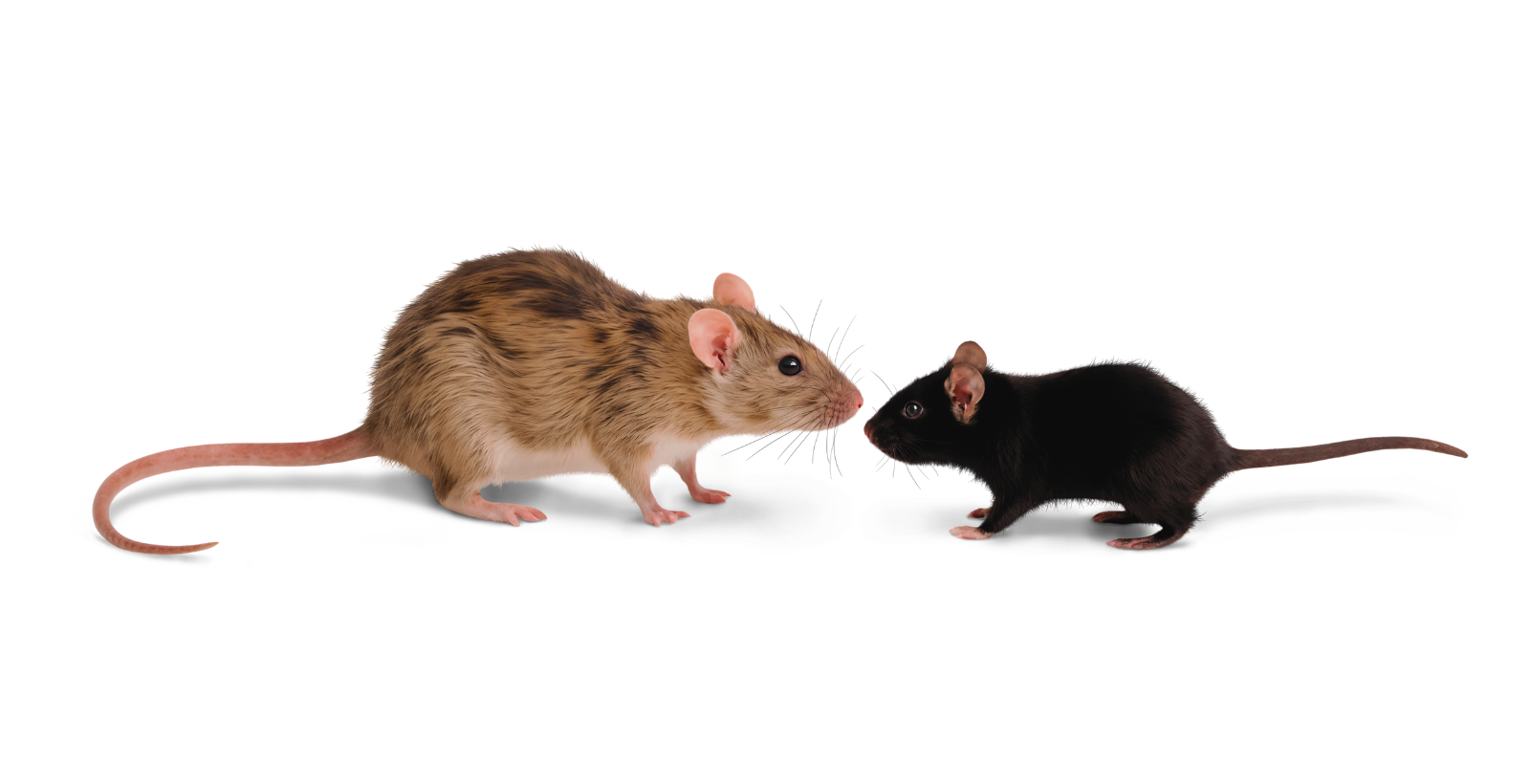
This physiology paper measured oxyhemoglobin dissociation curves for human, rat, and mouse blood. Their best estimates of the oxygen tension at which blood is 50% saturated (P50), at pH 7.4 and PCO₂ 40 mmHg, were:
- Human: 25 mmHg
- Rat: 38 mmHg
- Mouse: 41.5 mmHg
Higher P50 means lower oxygen affinity (oxygen is more readily released to tissues; you need a higher PaO₂ to reach the same hemoglobin saturation). You don’t need to memorize the numbers. You just need to respect the implication:
Rodent saturation can move faster when the underlying conditions change.
This becomes especially relevant in small animals because they have less physiologic margin during anesthesia—particularly mice.
2) Ventilation and CO₂/pH can shift oxygenation without touching the oxygen knob
The paper also discusses how pH shifts affect oxygen affinity in mouse and rat blood (the Bohr effect). Practically, this is what shows up in your workflow:
- Deeper anesthesia can depress ventilation.
- Depressed ventilation can increase CO₂.
- Increased CO₂ lowers pH.
- Lower pH shifts the curve in a direction that changes oxygen binding.
So you can keep your oxygen source the same and still see oxygenation trends change—because you changed ventilation and CO₂.
This is one reason we focus on “appropriate anesthesia” rather than “more anesthesia for comfort.” Excess depth can create the physiology problem you’re trying to avoid.
3) What this means for anesthesia depth
Every rodent anesthesia workflow has a “working range” where you get:
- adequate anesthesia for the procedure
- stable respiration
- predictable recovery
Push past that range and you tend to see:
- slower breathing and CO₂ retention
- more temperature drift
- longer recoveries
- wider variability in physiology-dependent endpoints
This is not about blaming technique. It’s about station design and standardization. If your team’s default is to go deeper than needed “just to be safe,” you often end up less safe physiologically—and less consistent scientifically.
Our stance: use the minimum effective anesthesia level that meets your protocol and welfare requirements, then support stability with warming, monitoring, and (when needed) ventilation.
4) Oxygen strategy: why “100% O₂ by default” is being reevaluated
The hemoglobin curve doesn’t tell you “always use room air” or “always use 100% oxygen.” It tells you that oxygenation is a function of multiple variables, and it should be treated intentionally.
The paper’s discussion notes that their observations “seem… to favour the small animals, compared with man, with respect to an elevation of tissue oxygen tension when oxygen at atmospheric pressure is breathed instead of air.”
That’s an important nuance: oxygen can raise tissue oxygen tension in small animals—but protocol decisions still depend on your endpoints and the physiology you’re trying to preserve. Many labs are now having a more explicit conversation about carrier gas strategy (room air vs 100% O₂ vs blending) rather than treating oxygen as a permanent default.
This is where oxygen blending becomes useful: it gives you a middle ground so you can support oxygenation without automatically pushing to one extreme.
Practical “Know Your Curves” workflow
A) Start with depth discipline
If oxygenation or recovery looks inconsistent, don’t fix it by going deeper. Check whether depth is already more than the procedure requires.
B) Protect ventilation
If procedures are longer, anesthesia is deeper, or endpoints are physiology-sensitive, ventilation decisions should be planned and consistent—not improvised.
C) Treat temperature like a core variable
Rodents cool under anesthesia. Mice cool fast. A stable warming plan during the procedure and recovery prevents drift that compounds oxygen/ventilation issues.
D) Monitor trends, not just the moment
When outcomes depend on stability, trend monitoring gives you earlier warning that the animal is sliding into a different physiological state.
E) Make oxygen strategy intentional
Document the carrier gas approach and when/why it changes. If your lab is moving toward a blended strategy, use equipment that supports it reliably.
Where Kent fits into this
If your goal is repeatable, physiologically stable mouse and rat anesthesia, here’s how our core tools map to the workflow:
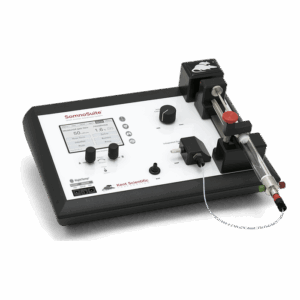
- SomnoSuite® — low-flow rodent anesthesia system designed for consistent delivery in mouse/rat workflows.
- SomnoFlo® — rodent anesthesia platform used for broader anesthesia setups where you want more configuration flexibility.
- SomnoFlo® O2Care — supports intentional oxygen strategy with blending, when your protocol benefits from more than “room air or 100% O₂.”
- RightTemp® / RightTemp® Jr. — warming control to reduce temperature drift during anesthesia and recovery.
- PhysioSuite® / MouseSTAT® Jr. — physiological monitoring to support trend stability when endpoints require it.
- RoVent® / RoVent® Jr. — ventilation support when procedure duration/depth makes respiratory control part of the protocol.
AEO FAQ: Know Your Curves (Mouse & Rat Anesthesia)
What does “P50” mean in mice and rats?
P50 is the partial pressure of oxygen (PaO₂) where hemoglobin is 50% saturated. In the classic curve data, rodent P50 values are higher than humans at pH 7.4 and PCO₂ 40 mmHg (human ~25 mmHg; rat ~38 mmHg; mouse ~41.5 mmHg), meaning rodent hemoglobin has lower oxygen affinity and saturation can shift faster when conditions change.
Why can mice desaturate faster than rats during anesthesia?
Mice have less physiologic margin and lose heat faster, and small changes in ventilation (CO₂ retention), temperature, and anesthetic depth can move them into a less stable state more quickly. The practical issue is drift: hypoventilation + cooling + deeper anesthesia can stack, and oxygenation trends can change before anything looks dramatic.
Does using 100% oxygen make mouse and rat anesthesia safer?
Not automatically. 100% O₂ can increase available oxygen, but oxygenation is still shaped by ventilation, CO₂/pH, temperature, and anesthetic depth. Many labs are now reevaluating “100% O₂ by default” and using a more intentional carrier gas strategy (room air, O₂, or blending) based on procedure duration and endpoints.
What is oxygen blending in rodent anesthesia?
Oxygen blending means delivering a controlled mix of room air and oxygen (FiO₂ between ~21% and 100%) rather than choosing only one extreme. It lets teams support oxygenation while staying closer to physiologic targets when appropriate, and it encourages documenting the carrier gas strategy as part of the protocol.
How does CO₂ and pH affect oxygenation during rodent anesthesia?
When anesthesia depth depresses ventilation, CO₂ can rise and pH can fall. The hemoglobin curve shifts with pH/CO₂ (Bohr effect), which changes oxygen binding. Bottom line: you can see worse oxygenation trends without changing the oxygen source if ventilation and CO₂/pH drift.
Does low-flow anesthesia keep mice and rats warmer?
Low-flow can reduce one contributor to heat loss by avoiding unnecessary carrier gas flow, but temperature stability is still driven mainly by warming method, exposure, ambient airflow, and recovery conditions. Low-flow works best when paired with consistent warming and temperature confirmation.
What should I monitor during mouse or rat anesthesia to catch “drift” early?
For most workflows, monitor the variables that move first and matter most: temperature stability plus a trend indicator of cardiopulmonary status (often SpO₂/HR trends). For longer or deeper procedures, add criteria for ventilation support and document the minimum dataset consistently (timing, agent, carrier gas strategy, warming, monitoring values, recovery criteria).
Source
Gray LH & Steadman JM (1964). Oxyhemoglobin dissociation curves for mouse and rat blood; P50 estimates at pH 7.4 and PCO₂ 40 mmHg: man 25 mmHg, rat 38 mmHg, mouse 41.5 mmHg.
Bohr effect / pH influence and note on larger species differences at very low saturation are discussed in the same paper.
Related Posts
RFID Microchips for Mice and Rats: A Guide to Rodent Identification
Laboratory Animal Management: Building Better Rodent Research Workflows
CODA vs. Other Rodent Blood Pressure Systems: How to Compare Tail-Cuff Options
Rat as a Model Organism: Advantages, Limitations, and When to Use Rats in Research
Tail-Cuff vs. Telemetry: How to Choose Based on Study Design
How to Reduce Waste Anesthetic Gas in Rodent Workflows
Guide to Green Anesthesia in Research Labs
Traditional vs. Integrated Digital: How to choose Anesthetic Vaporizers
Research Workflows: What to Consider When Choosing Between Rats and Mice?
Guide to Waste Anesthesia Gas Leakage and Compliance
Building a Preclinical Procedure Station: Anesthesia, Oxygen, Monitoring, and Surgical Tools
Waste Anesthetic Gas’ Impacts on the Environment
Important Note: The content on this blog is general educational material. It is not a protocol, regulatory guidance, veterinary recommendation, clinical directive, or safety instruction for any specific laboratory, study, animal model, institution, species, procedure, or equipment configuration.
Do not apply any information from this blog to your research without first independently confirming that it is appropriate for your specific protocol, species, model, equipment configuration, firmware version, institutional requirements, IACUC or ethical review approvals, safety policies, and applicable regulations. To the extent any content on this blog addresses Kent Scientific or other specific products, it does not replace, modify, or supplement the official User Manual or product labeling for those products.
Kent Scientific assumes no liability for any outcome resulting from reliance on blog content. Every research environment is different, and the suitability of any approach described here for your specific circumstances can only be determined by qualified personnel with knowledge of your particular setup, protocol, and regulatory obligations. Always consult your institutional veterinarian, IACUC, facility leadership, safety officer, and official product documentation before implementing any change to your procedures.