







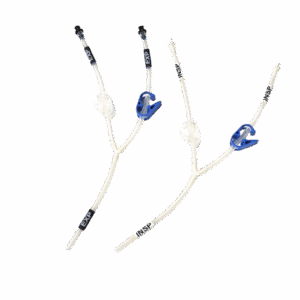

















The Basics of Physiological Monitoring of Rodents
Working with rodents in biomedical research is a privilege granted to the scientific community on the expectation that studies will provide significant new insights into human health.
Since the mid-19th Century, mice and rats have served as the preferred species for such research owing to their genetic and physiological similarities to...
Continue Reading


Women in Neuroscience: In History and Today
Women have made important contributions in the neuroscience field since even before it emerged as a specific discipline in the mid-20th century.
Despite being a part of the field since its inception, women are still underrepresented in neuroscience, which can be attributed to longstanding bias and misconceptions about the intellectual abilities of...
Continue Reading

Animal Research Leads to New Breakthroughs in Breast Cancer
October is Breast Cancer Awareness month, and while the overall death rate from breast cancer has gone down 1% every year from 2013 to 2018, breast cancer is still the most commonly diagnosed cancer among American women and has the second-highest death rates, after lung cancer. In the United States,...
Continue Reading

Mice and Mental Health: New Mouse Studies May Help Us Understand Depression, Schizophrenia and Other Mental Disorders
For more than 150 years, researchers have used laboratory mice to study various physical diseases and conditions that occur in humans, in part because changes in the body of a rodent are relatively easy to control and study.
Using mice to study mental conditions has been more challenging, however, because the...
Continue Reading

What Research with Mice is Teaching Scientists About Obesity and Weight Loss
Obesity is one of the most serious health issues in the United States. According to the Centers for Disease Control and Prevention, almost 72% of U.S. adults are overweight, more than 42% are obese, and more than 9% are severely obese. Not only does obesity increase the risk of heart...
Continue Reading

How Animal Research Is Helping Scientists Understand and Treat Parkinson’s Disease
Parkinson’s disease is a disorder of the brain and central nervous system that can cause tremors, stiffness, movement and balance issues, and cognitive impairment. Almost one million people in the U.S. are currently living with Parkinson's disease, about 50 percent more men than women.
Parkinson's disease occurs when specific nerve cells...
Continue Reading

The Role of Animal Research in Understanding and Alleviating Pain
Many of the conditions and functions studied by animal researchers are too specific or esoteric to be easily understood by the general public, but there’s one area of study everyone can relate to: pain.
Occasional pain is an expected part of life, but when it becomes chronic—defined as pain that persists...
Continue Reading

Researchers Work on New Ways to Prevent and Treat COVID-19
We now have several very effective COVID-19 vaccines, but that doesn’t mean the research into preventing and treating the disease caused by the SARS-CoV-2 virus has slowed down. Researchers continue to find new and innovative ways to treat COVID-19 and its symptoms, from the use of an over-the-counter dietary supplement...
Continue Reading

The Importance of Diversity in Biomedical Research
Diversity is a hot-button issue these days, with organizations from police forces to major corporations taking steps to address the lack of racial, cultural, socioeconomic, and gender diversity in their ranks. Biomedical research is no exception.
Like many other arenas, the field of scientific research is sorely in need of more...
Continue Reading

Mice Studies Help Researchers Understand the Role of Sleep
We know sleep is important: it helps us rest and recharge, and not getting enough can cause all kinds of problems, from depression and difficulty concentrating to an increased risk of chronic disease. Recent research with mice has shed some light on the importance of lights-out.
Fear, Memory and Sleep
At the...
Continue Reading

What Animal Research Has Taught Us About Stress
These days we’re all very familiar with stress, but while we may know how it feels, we’re less sure what exactly causes it and the full range of effects it can have on the body and brain. Now, new research with mice sheds some light on the connections between stress,...
Continue Reading

Will There Ever Be a Cancer Vaccine? New Mouse Studies Point to “Yes”
When we think of vaccines, we think of a shot given to a healthy subject to prevent them from becoming infected with the disease the vaccine targets. This type of preventive vaccine has worked well for many diseases, and there are now more than 20 vaccines commonly used in the...
Continue Reading

New Vaccine Technology Is Behind Two New 95% Effective COVID Vaccines
They say necessity is the mother of invention, and that is certainly turning out to be the case for two COVID-19 vaccines that have sped from research through animal testing to widespread clinical testing in record time—just one year after the SARS-CoV-2 virus was first detected in China and less...
Continue Reading

What Animal Research is Teaching Scientists About the Human Brain
Animal research has played a critical role in some of the most important scientific discoveries in history, including identifying the causes and mechanics of diseases, developing vaccines, and understanding how the human body functions.
But animal research has also led to some less critical, though no less interesting, discoveries, and many...
Continue Reading
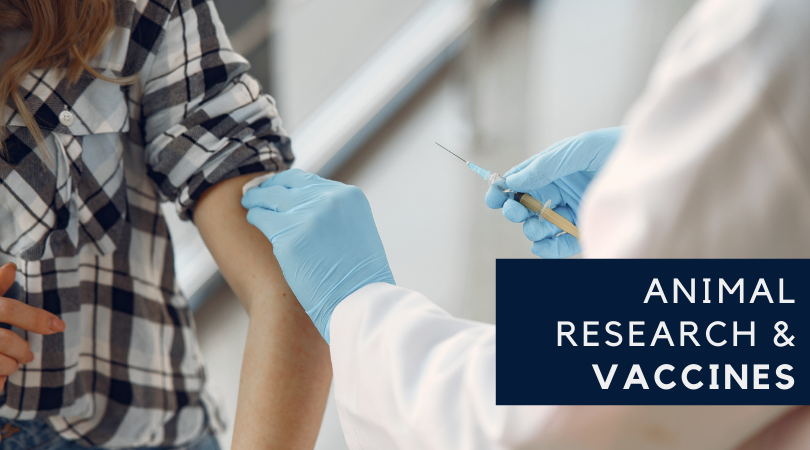
How is a Vaccine Created? Animal Research Plays a Key Role
Before a vaccine can be used to protect humans from a specific disease, there is a long, careful process involving extensive research and testing to determine two main things: whether the vaccine works, and whether it is safe to use in people.
There are three primary stages of vaccine research and...
Continue Reading

How Humanized Mice are Helping the Fight Against COVID-19 and Other Diseases
When are mice more than mice? When they have been genetically engineered to be part human.
Laboratory mice have been used in preclinical research for hundreds of years, and they have been invaluable in helping scientists learn how the body works, study immune responses to diseases, and test drugs and other...
Continue Reading

Of Mice and Memory: What Recent Research with Mice is Teaching Scientists About Human Memory
Scientists continue to learn about how the brain works, but human memory still holds many mysteries. How exactly are memories stored and retrieved? How does the brain recognize and treat different types of memories? Can memories be changed or manipulated? How can memory be damaged or improved? Recent research has...
Continue Reading

A Roundup of COVID-19 Vaccines Currently in Development
With the number of COVID-19 cases approaching 16 million worldwide, the entire research world is focused on finding a vaccine for SARS-CoV-2, the virus that causes COVID-19.
Many companies are testing antiviral drugs that could help treat people who have already been infected with COVID-19 by hindering the virus’s ability to...
Continue Reading

The Gender Factor: How Diseases Affect Men and Women Differently
One of the most interesting things scientists have discovered about COVID-19 is that men seem to be more susceptible to the virus, and to suffer more serious symptoms.
According to the World Health Organization (WHO), men have accounted for 63% of COVID-19 deaths in Europe, and Chinese researchers say 70% of...
Continue Reading
How antibodies work and why they’re important
How antibodies work and why they’re important
What they tell us now about protection, immune escape, and next-gen countermeasures—and why preclinical rigor decides what’s real
Antibodies are central to how we evaluate protection, immune escape, and next-gen countermeasures — and much of that work still depends on rigorous preclinical models. That’s why...
Continue Reading