





















What the New White House Science Advisor Means for Researchers
On August 1, meteorologist Kelvin Droegemeier was nominated as the director of the White House Office of Science and Technology Policy (OTSP). The office plays a central role in determining research and development budgets, providing science and technology expertise for national policy, and coordinating the White House’s science agenda for...
Continue Reading


SomnoSuite® Low-Flow Vaporizer Offers Unique Ability to Use Either Compressed Gas or Room Air
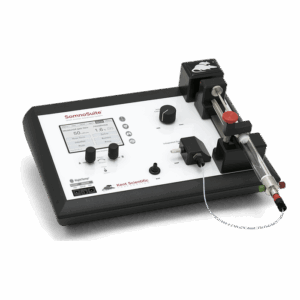
Kent Scientific’s SomnoSuite Low Flow Anesthesia System not only uses a fraction of the isoflurane while maintaining stable levels of anesthesia for mice and rats, it has another, less well-known benefit: it does not require compressed gas in order to operate.
With the high-flow canister-style vaporizers traditionally used for inhalant...
Continue Reading

Animal Research Plays a Key Role in Developing Important Vaccines
Animal models have been used in biomedical research for hundreds of years, and some of the most important breakthroughs animal research has made possible are vaccines. Research with mice, rats, and other animals has led to vaccines for polio, several types of meningitis, typhus, whooping cough, smallpox, tetanus, measles, cholera,...
Continue Reading
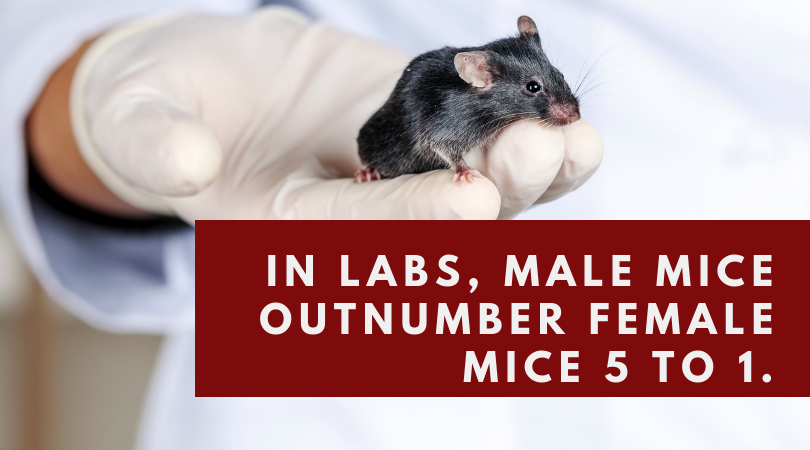
Gender: The Hidden Variable in Animal Research
Every scientist that has conducted experimental research with animal subjects knows that an essential part of any experiment is determining which variables have the potential to affect the outcome. Ideally the variables not being tested are known and controlled, but in some cases unknown variables have caused skewed and unexpected...
Continue Reading

The Importance of STEM Mentoring for Kids
When you were a child, what did you want to be when you grew up? According to the Bureau of Labor Statistics, kids’ top dream jobs include dancer, actor, musician, athlete, detective, and astronaut.
While all of these jobs are legitimate careers (wizard and superhero did not make the list, at...
Continue Reading

The Importance of Physiological Monitoring in Preclinical Research
Laboratory animals are a valuable resource. Using mice and rats as surgical models for biomedical research represents a significant investment of time and money. Researchers who are privileged to work with live animals bear a responsibility to respect their resources and understand that it’s important to do everything possible to...
Continue Reading

The Future for Women in STEM Fields
In 2017, James Damore, an engineer at Google, was fired for posting a memo claiming that women were biologically and psychologically less suited to working in high-tech career fields.
The memo got Damore fired from Google, but the idea that women are less capable of performing at high levels in technical...
Continue Reading

Research with Mice Leads to Potential for Non-Addictive Painkiller
Researchers at Indiana University are working on a way to use the brain to suppress pain without unwanted side effects such as addiction or a marijuana high.
“The most exciting aspect of this research is the potential to produce the same therapeutic benefits as opioid-based pain relievers without side effects like...
Continue Reading

Animal Research Plays a Key Role in 2017 Nobel Prize
The Nobel Prize in Physiology or Medicine is awarded annually for outstanding discoveries in the fields of life sciences and medicine that benefit humankind.
This year, the prize was awarded jointly to three Americans—Michael Rosbash, Jeffrey C. Hall, and Michael W. Young—for their discoveries of molecular mechanisms controlling the circadian rhythm,...
Continue Reading

What the Future Holds for Jobs in Research & Science
Will “find a new job” be one of your New Year’s Resolutions for 2018? Here’s what the job market looks like for the scientific fields.
According to new employment projections from the U.S. Bureau of Labor Statistics, overall employment is expected to increase by 11.5 million (7.4%) between 2016 and 2026....
Continue Reading

The Importance of Maintaining the Proper Body Temperature of Lab Animals During Surgery
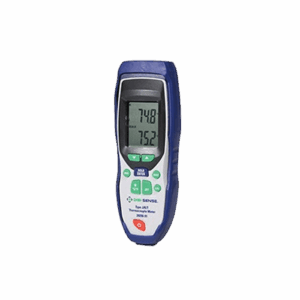
When conducting surgery with anesthesia on small animals in a clinical setting, special care must be taken to maintain the animal’s body temperature at its optimum level. Adequate body temperature is important not only for the comfort of the animal and physiological well-being, but to minimize risks from anesthesia and...
Continue Reading
Protecting Your Lab Animals When Natural Disasters Strike
When the southern United States was hit by the one-two punch of Hurricanes Harvey and Irma, homes and humans weren’t the only ones affected. Universities and research facilities, which house thousands of animals used in research projects along with millions of dollars’ worth of equipment, were also dealt a devastating...
Continue Reading
Kent Scientific Now Offers Videos for Product Setup and Use, Best Research Practices, Technology Tips and More
At Kent Scientific, our goal is to provide the best research solutions to serve our customers, and to make them as easy and efficient to use as possible.
Because it’s often much more effective to show a process or procedure visually than to describe it verbally, we’re creating videos to provide...
Continue Reading
Kent's Certified Calibration-Free SomnoSuite Reduces Maintenance Costs
When you’re doing research, every minute counts. Having to remove your equipment from the lab to have it serviced and calibrated means losing valuable time, plus incurring charges for certification procedures.
To solve that problem, Kent Scientific’s SomnoSuite Low-Flow Anesthesia System is Certified Maintenance-Free! Unlike traditional vaporizers, our systems have been...
Continue Reading