




What Kind of Mouse or Rat Temperature Monitoring Is Right for Your Work?
TL;DR Mouse temperature is one of the easiest things to “handle” while quietly losing control. The main reason is simple: core temperature and surface (skin) temperature answer different questions. If you rely on only one, you get blind spots. This article covers the common monitoring approaches (continuous vs spot-check, core vs surface), shows where each fits (anesthesia, recovery, free-moving studies), and gives a few simple workflow recipes that improve stability without wrecking your throughput.
The 15-second truth on small animal temperature monitoring
You might not realize this, but…
…If you only measure surface temperature, you can miss core drift.
…If you only measure core temperature, you can miss fast heat loss at the periphery (and any issues s causing it).
That’s why “what kind of mouse temp monitoring do you need?” has an annoyingly correct answer:
You need both.
Not because you want more steps. Because you’re trying to avoid two predictable outcomes:
- Physiology gets unstable when temperature drops under anesthesia
- Recovery looks “fine” until it isn’t, and variability creeps into data and outcomes
Start by getting clear on what you’re trying to know
Core temperature
Core temperature reflects what the organs are experiencing. It’s the number that matters most under anesthesia, during physiologic stress, and in studies where temperature is an endpoint or a serious confound.
Surface temperature
Surface temperature changes fast. It’s useful for trend checks and triage—especially during recovery—because it tells you whether the animal is losing heat right now. But it’s not a reliable stand-in for core temperature.
Practical takeaway:
Core tells you status. Surface tells you trajectory and heat loss behavior. You need both to run a stable workflow.
The mouse temperature monitoring stack
You don’t need every method in every study. But you do need to cover the jobs: continuous core when it matters, and fast surface trend checks when you’re moving quickly.
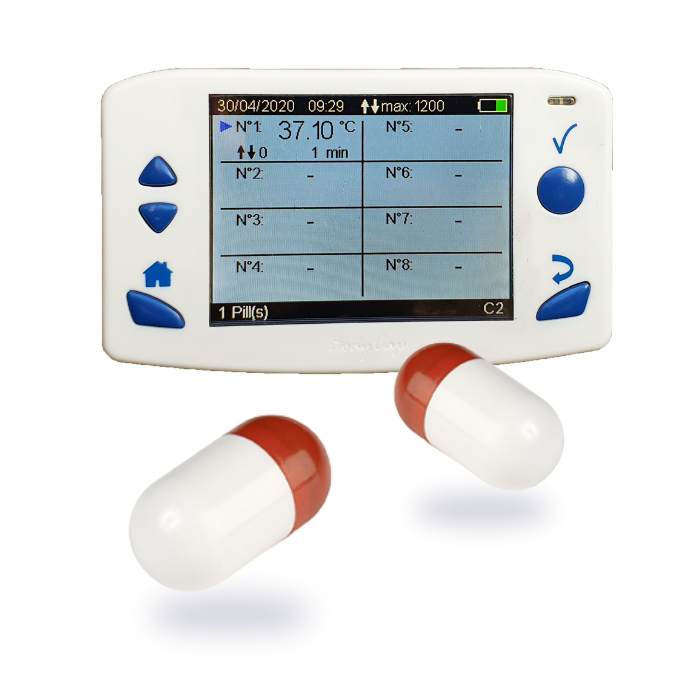
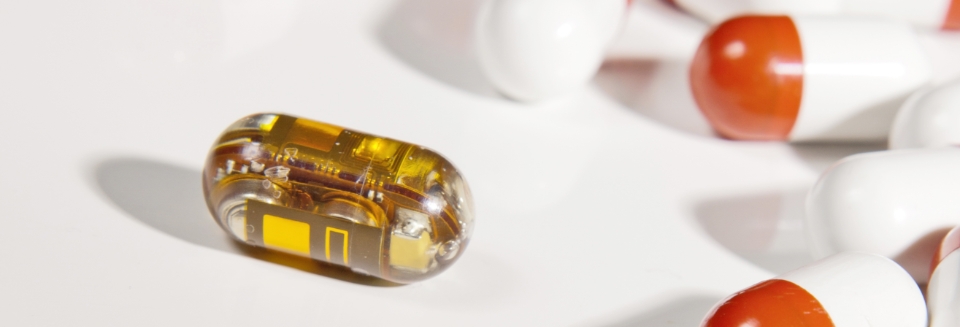
1) AniPill: continuous core temperature without constant handling
What it is
A continuous core temperature option of awake animals designed to reduce repeated restraint while still producing usable trends.
When it’s a strong fit
- Free-moving or longitudinal work where you care about patterns (diurnal, fever response, recovery trajectory)
- Stress-sensitive work where repeated checks change physiology or behavior
- Any protocol where intermittent numbers create false confidence
Why it matters
Spot checks miss the story. Continuous core data shows you when drift starts, how long it lasts, and whether recovery is stable—without you guessing.
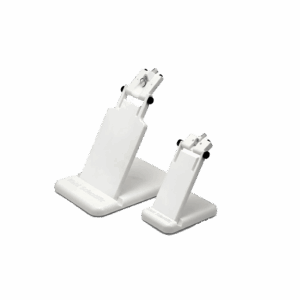
2) RightTemp Family: control the problem before you “monitor it”
Here’s where a lot of temperature plans fall apart: they treat measurement as the fix.
Measurement is not the fix. Control is the fix.
What it is
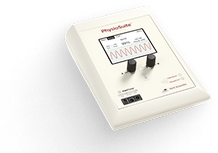
A warming system intended to monitor core temperature and automatically warm, helping to keep animals in a stable range during anesthesia.
When it’s a strong fit
- Anesthesia workflows where thermoregulation drops fast
- Procedure-heavy days where consistency matters more than heroics
- Any time you want fewer “mystery dips” that show up later as variability
Why it matters
If you’re measuring temperature but not controlling it, you’re basically documenting drift with impressive accuracy. Controlling temperature from the start improves outcomes.
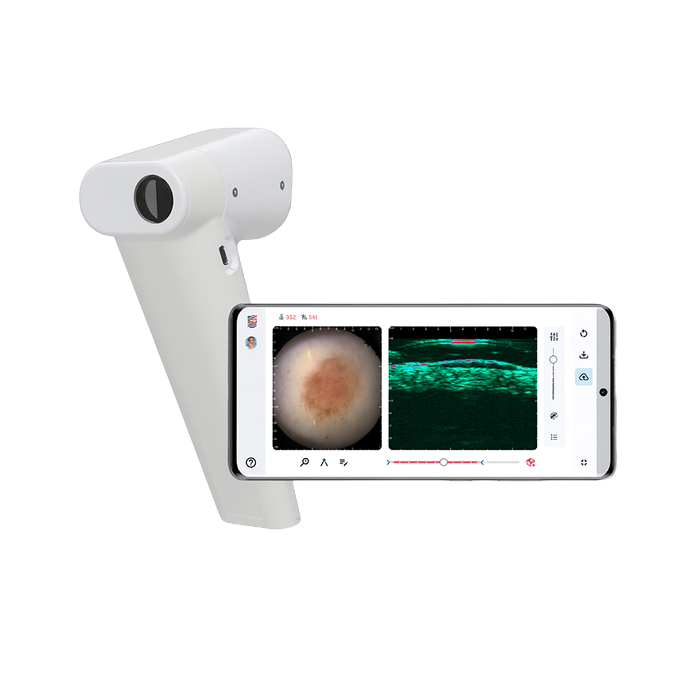
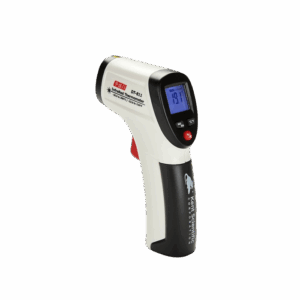
3) Non-Contact Infrared Thermometer with Laser Sight: fast surface checks that don’t break flow
What it is
A non-contact tool for quick surface temperature reads.
When it’s a strong fit
- Recovery bay triage (fast checks without repeated restraint)
- Cage-side screening when you’re trying to confirm “is this animal losing heat?”
- High-throughput workflows where you need trends, not a dissertation
Why it matters
Surface checks catch rapid heat loss early—before recovery becomes slow, variable, and stressful.
One constraint that matters:
IR reads surface temperature. Use it for trends and triage, not as a proxy for core.
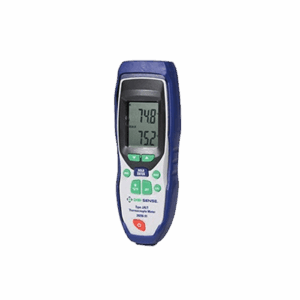
5) Type JKT Thermocouple Meter: simple core spot-checking that still has a place
What it is
A digital thermometer variant (Thermocouple meter) used to read probe-based temperature measurements.
When it’s a strong fit
- During procedures where a core check is already part of the workflow
- As a confirmatory step when surface readings suggest a problem
- When you need a quick core value without continuous telemetry
Why it matters
Core spot checks still matter. They’re direct, fast, and useful—especially when paired with consistent warming and sensible surface trend checks.
Workflow recipes for monitoring temperature in small animals
These are designed to be realistic: repeatable, not fragile, and compatible with how labs actually run.
Recipe A: Anesthesia + procedure day (induction → maintenance → recovery)
What usually happens
Temperature drift starts early under anesthesia. If you wait until you notice it, you’re late.
What to do
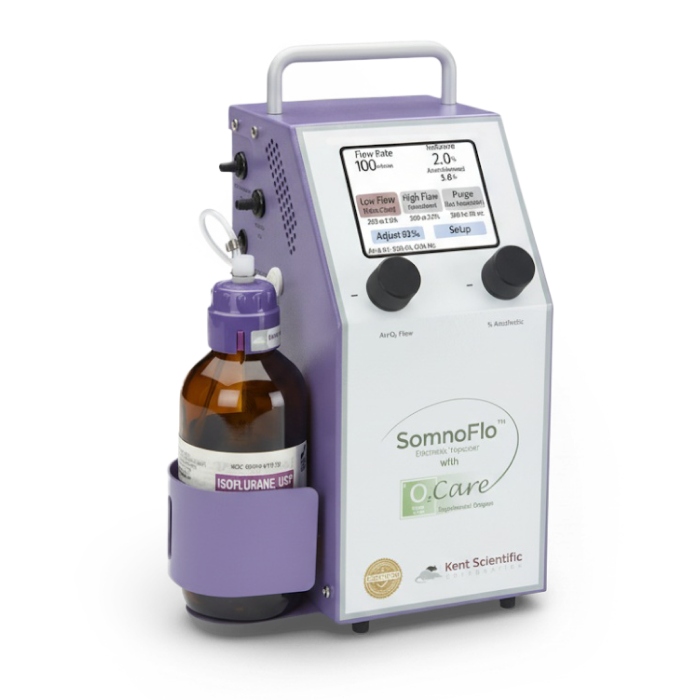
- Use RightTemp / RightTemp Jr. during the procedure for warming to reduce drift OR
- Use Type JKT Thermocouple Meter for core checks at sensible intervals (especially early)
- Use Non-contact IR during recovery for fast surface temperature checks
- If your protocol needs clean, longitudinal core trends outside procedure windows, layer in AniPill
Why it works
You’re combining control + confirmation + fast trend checks. That reduces variability across animals and operators.
Recipe B: High-throughput recovery bay (many animals, limited time)
What usually happens
Either checks are too infrequent, or they’re so disruptive they introduce new variability.
What to do
- Use Non-contact IR for fast screening and trend checks
- Escalate to a core probe check (Type JKT) when readings are abnormal or behavior suggests trouble
- Keep warming consistent using RightTemp / RightTemp Jr. rather than guessing
Why it works
It scales. You’re not turning recovery into a bottleneck, and you’re not relying on “feel.”
Recipe C: Free-moving / longitudinal study (where trends are the point)
What usually happens
Spot checks create a false sense of control. You miss the dip, the rebound, and the pattern.
What to do
- Use AniPill as your primary core trend measurement
- Use Non-contact IR as an occasional welfare check and environmental sanity check
- Document ambient conditions (room/cage/recovery station), because trends without context become arguments
Why it works
If temperature is biology in your study, continuous core trends keep you honest.
Common mistakes with temperature monitoring
These aren’t “rookie errors.” They’re the predictable ways a decent mouse temperature monitoring or rat temperature monitoring plan turns into junk data and slow recoveries.
Treating surface temperature like a proxy for core
A non-contact infrared thermometer is great for fast mouse surface temperature monitoring and rat surface temperature monitoring—trend checks, triage, and quick recovery-bay screening. It’s not “core-light.”
Under anesthesia (and often in early recovery), a mouse or rat can show a surface reading that looks okay while mouse core temperature monitoring would clearly show drift. Use IR for trajectory; confirm core when it matters.
Measuring core after instability has already started
The most common timing mistake in small animal anesthesia temperature monitoring is waiting until the animal “looks off.” With mouse anesthesia temperature monitoring and rat anesthesia temperature monitoring, drift often starts early.
If the first core check happens after the animal has already cooled, you’re reacting instead of controlling. Build a cadence: an early core check, then periodic checks with a probe/thermocouple, or continuous core temperature monitoring when temperature is an endpoint or major confound.
Warming without feedback (or monitoring without control)
If you’re doing “warming during rodent anesthesia” without feedback, you can underheat (slow recovery, variability) or overshoot (also bad). If you’re doing rodent temperature monitoring without control, you’re basically documenting the decline.
The stable workflow is: control + confirm + trend—a warming platform, a core check (probe + thermocouple meter like a Type J/K/T thermocouple meter setup), and surface trend checks (IR).
Ignoring ambient factors (drafts, pad placement, recovery station setup)
Small animal temperature monitoring isn’t just the animal. It’s the environment. Drafts, room swings, pad contact, cage type, recovery enclosure design, and even where the station sits in the room can change outcomes for both mice and rats.
If you don’t stabilize or document these factors, you’ll “see variability” and blame the monitoring tool—when the real variable is the setup.
Building a protocol no one can execute consistently
The fastest way to make mouse temperature monitoring and rat temperature monitoring “not work” is to build a beautiful protocol that’s fragile, time-consuming, or dependent on one person’s technique. If your team can’t run small animal recovery temperature monitoring at speed on a busy day, it won’t be followed—and now your study has a hidden variable: operator behavior.
Temperature Monitoring Cheat Sheet
If you remember nothing else about small animal temp monitoring:
- Under anesthesia: warming control + core monitoring are not optional
- High throughput: surface IR for screening, confirm core when needed
- Temperature as an endpoint/confound: continuous core trends win
- Better outcomes come from stable workflows, not heroic troubleshooting
Further reading
These are the supporting references for this article:
- NIH OLAW IACUC overview (oversight context): https://olaw.nih.gov/resources/tutorial/iacuc.htm
- ILAR Journal article used in the draft: https://academic.oup.com/ilarjournal/article/62/1-2/238/6299201
- Open-access article from the draft (PMC): https://pmc.ncbi.nlm.nih.gov/articles/PMC11193424/
Practical next step
If you tell us (1) your anesthesia approach, (2) animals per session, and (3) whether you need free-moving longitudinal trends, we’ll recommend a temperature monitoring + control stack that fits your workflow without adding drama.