




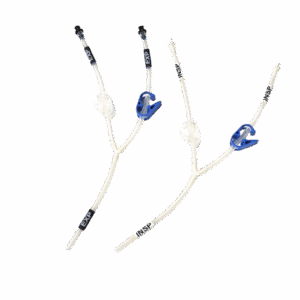
















Researchers Discover New Cancer-Fighting Uses for Common Substances
February is National Cancer Prevention Month, and scientists continue to make important discoveries to prevent, understand, and treat cancer. Recently, researchers have been able to use common substances and compounds including the flu shot, salt, copper, aspirin, and bitter melon extract to fight cancer in mouse models.
Scientists Use Salt to...
Continue Reading


Numerous Mouse Studies Point to Diet as Key to Understanding and Preventing Disease
On January 1, millions of people resolved to eat better. In fact, according to a survey by YouGov, eating healthier was the most frequently made New Year’s resolution. But paying more attention to diet can do more than help you lose weight and feel better—according to several new mouse studies,...
Continue Reading

As Government Funding for Scientific Research Continues to Fall, Private Endowment is on the Rise
Successful medical, preclinical, and scientific research requires adequate funding for facilities, supplies, and personnel. Many researchers get grants from the government, but over the last few years, as the government is spending less and less on the science sector, non-governmental sources have been funding a larger percentage of the research...
Continue Reading

The Evolution of Neuroscience
The work of scientists and researchers in the field of neuroscience—the study of the structure or function of the nervous system and brain—has produced important knowledge about the brain and nervous system and made medical breakthroughs that significantly improve human health.
Though the brain was identified as the source of intelligence...
Continue Reading

Researchers Working with Mice May Finally Find a Cure for the Common Cold
The cold is the most common known infectious illness, with Americans getting an estimated 1 billion colds every year.
Colds are difficult to prevent and treat, and so far have been impossible to cure. After hundreds of years of accepting colds as an unavoidable nuisance best treated with chicken soup and...
Continue Reading

How the Environment Affects Disease
The concept of “One Health,” which was adopted by the Centers for Disease Control and Prevention in 2009 and will be the theme of the 2019 AALAS National Meeting, is focused on the idea that the environment plays a key role in human disease.
The planet continues to undergo serious and...
Continue Reading

What is One Health and Why It Is Important for Scientific Research?
John Donne said that no man is an island, and while he expressed that sentiment almost 400 years ago, it’s even more true today. In fact, while Donne meant to suggest that humans need to be part of a community to thrive, these days the idea is being taken even...
Continue Reading

Multiple New Research Focused on Microbiome as Scientists Look to the Gut for Answers
Researchers working with animal models traditionally look at the brain, but recent studies are increasingly focused on a different area—the gut, or microbiome, which is emerging as an important factor in human health.
It’s a fertile area of study: The human gut is home to more than 500 different types of...
Continue Reading

International Standards for the Care and Use of Laboratory Animals
All over the world, animal models are used in pre-clinical research to learn more about how the body works, and to identify causes and develop treatments and cures for disorders and diseases. While global research goals may be similar, there are significant differences between standards for pre-clinical research with animals...
Continue Reading
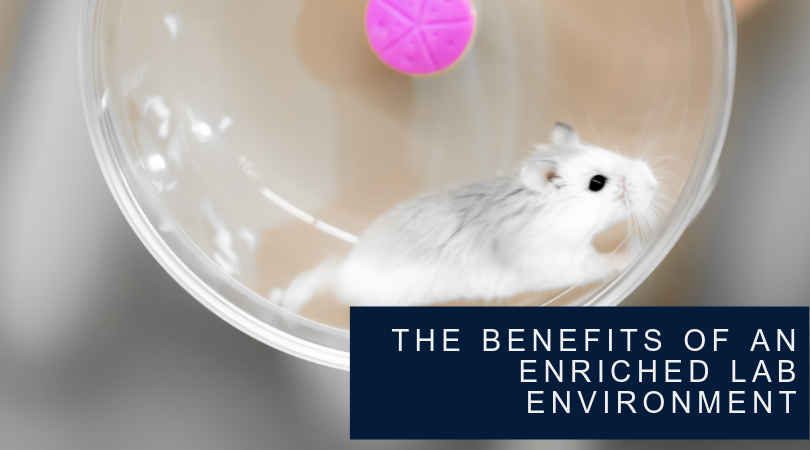
How Providing the Right Lab Environment for Research Mice Can Improve Experimental Results
How important is the comfort and “happiness” of the mice we use in research? Providing laboratory animals a comfortable, safe, and enriching environment that gives them a way to play and act in accordance with their natural instincts is more than kindness; multiple studies show that it actually makes them...
Continue Reading
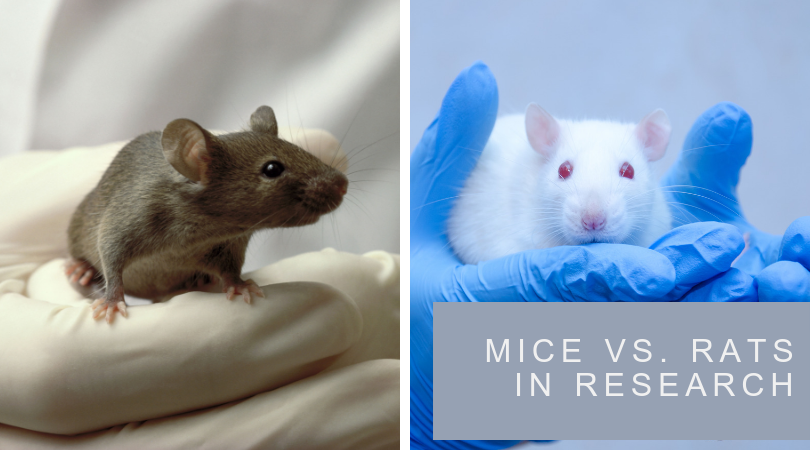
Mice vs Rats Research: Anesthesia, Monitoring, and Warming Setup Differences
Mice vs Rats in Research: What Changes in Your Anesthesia, Monitoring, and Warming Setup?
TL;DR
While mice and rats are both “rodents,” they don’t behave the same under anesthesia, they don’t lose heat the same way, and they don’t tolerate handling the same way. Those differences show up as workflow friction, inconsistent...
Continue Reading
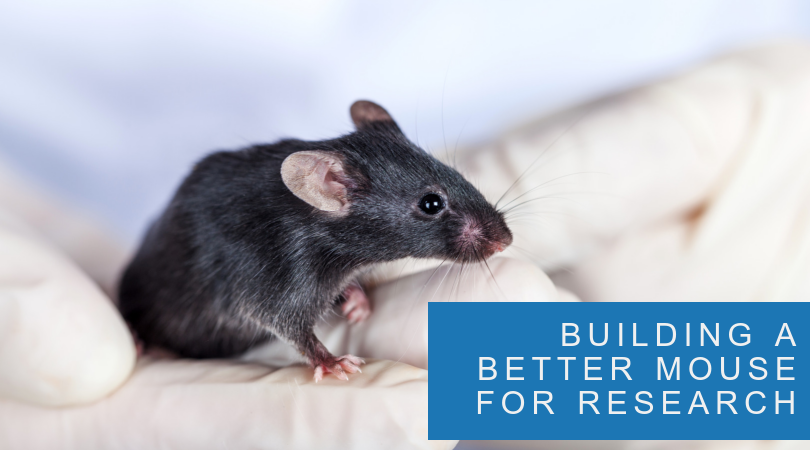
Building a Better Research Mouse
For the past 100 years, mice have been the primary model for biomedical research. Not only are they easy to keep and reproduce, mice have significant similarities to humans both genetically and physiologically.
With genetic manipulation, scientists have been able to create mouse models for many human diseases and conditions, enabling...
Continue Reading

What You Need for A Well-Equipped Research Lab
When you’re working in a lab with research animals, having the right equipment is paramount. Use this helpful checklist to make sure your lab has all the equipment needed for maximum efficiency and the safety of your technicians and animals.
Anesthesia Capability
Any lab that performs surgery on animals needs a method...
Continue Reading

Finding Grants and Funding for Clinical Research
Research requires money, and finding the funds you need to support your research is a fact of life for most clinical researchers.
Fortunately there are many sources of funding available, including research grants, awards, fellowships, cooperatives, and other types of funding.
While there are many websites and organizations dedicated to finding funding...
Continue Reading
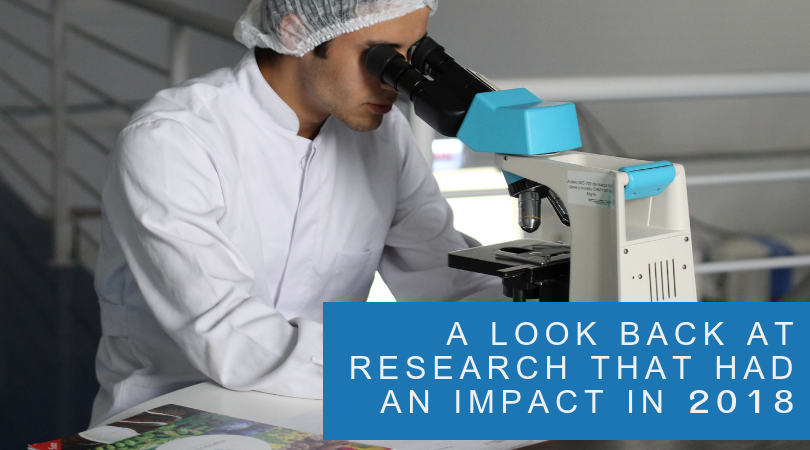
The Most Significant Animal Research-Based Scientific Breakthroughs of 2018
Animal models have been used in biomedical research for hundreds of years, and clinical research using mice and rats has led to some of the most important scientific breakthroughs in 2018.
Aging
Is it possible to reverse the aging process? Several different research teams are making progress. In March, researchers at Harvard...
Continue Reading

How to Get Mainstream Press Coverage for Scientific Research
Does the general public know about the scientific research you’re conducting? If your findings aren’t getting any coverage in the mainstream news, the answer is probably not.
Why should scientists be interested in getting coverage of their research in the mainstream press? In addition to letting people know about scientific advancements...
Continue Reading

Mouse Studies Break New Ground in Fighting Breast Cancer
October is Breast Cancer Awareness month, and while breast cancer incidence rates and death rates have both been declining for years, breast cancer is still the second-most commonly diagnosed cancer among American women, and has the second-highest death rates.
Fortunately, scientists all over the world are working to understand how it...
Continue Reading

Scientists Uncover Connection Between Alzheimer’s and Immunity
September is World Alzheimer’s Month, and unfortunately we need Alzheimer’s research more than ever.
According to the Alzheimer’s Association, more than 5.7 million Americans are currently living with Alzheimer’s, and that number is expected to more than double by 2050. While mortality rates for other diseases—including the number one cause of...
Continue Reading

What the New White House Science Advisor Means for Researchers
On August 1, meteorologist Kelvin Droegemeier was nominated as the director of the White House Office of Science and Technology Policy (OTSP). The office plays a central role in determining research and development budgets, providing science and technology expertise for national policy, and coordinating the White House’s science agenda for...
Continue Reading

SomnoSuite® Low-Flow Vaporizer Offers Unique Ability to Use Either Compressed Gas or Room Air
Kent Scientific’s SomnoSuite Low Flow Anesthesia System not only uses a fraction of the isoflurane while maintaining stable levels of anesthesia for mice and rats, it has another, less well-known benefit: it does not require compressed gas in order to operate.
With the high-flow canister-style vaporizers traditionally used for inhalant...
Continue Reading